
Flat Roof Repair in East Georgia
Leaking low-slope membrane? We trace the seam, flashing, or drainage failure and seal it, so you fix the actual problem instead of tearing off a roof that still has years left.
Find the Leak, Seal the Membrane, Keep the Roof
Your flat or low-slope roof is leaking and you want it found and fixed, not sold a whole new membrane before anyone has even walked it. A low-slope roof leaks differently than a steep-slope shingle roof: water sits on it, so it finds the one bad seam, the one lifted flashing, or the one blister that split, and then it travels sideways under the membrane before it ever shows up inside. Davis Construction & Roofing Co repairs TPO, EPDM, and modified-bitumen roofs on commercial buildings, flat-roofed additions, and the modern homes going up around Evans and Grovetown. We're a family-run roofer, licensed in Georgia and South Carolina, fully insured, and honest about when a repair will hold and when the membrane is past saving. If the field is failing everywhere, we'll say so and point you to a full membrane replacement instead of patching a roof that's out of life.
The Flat Roof Failures We Repair Most
Almost every low-slope leak we run in the CSRA traces back to one of these four. If yours is on this list, it's very likely a repair, not a full re-roof.
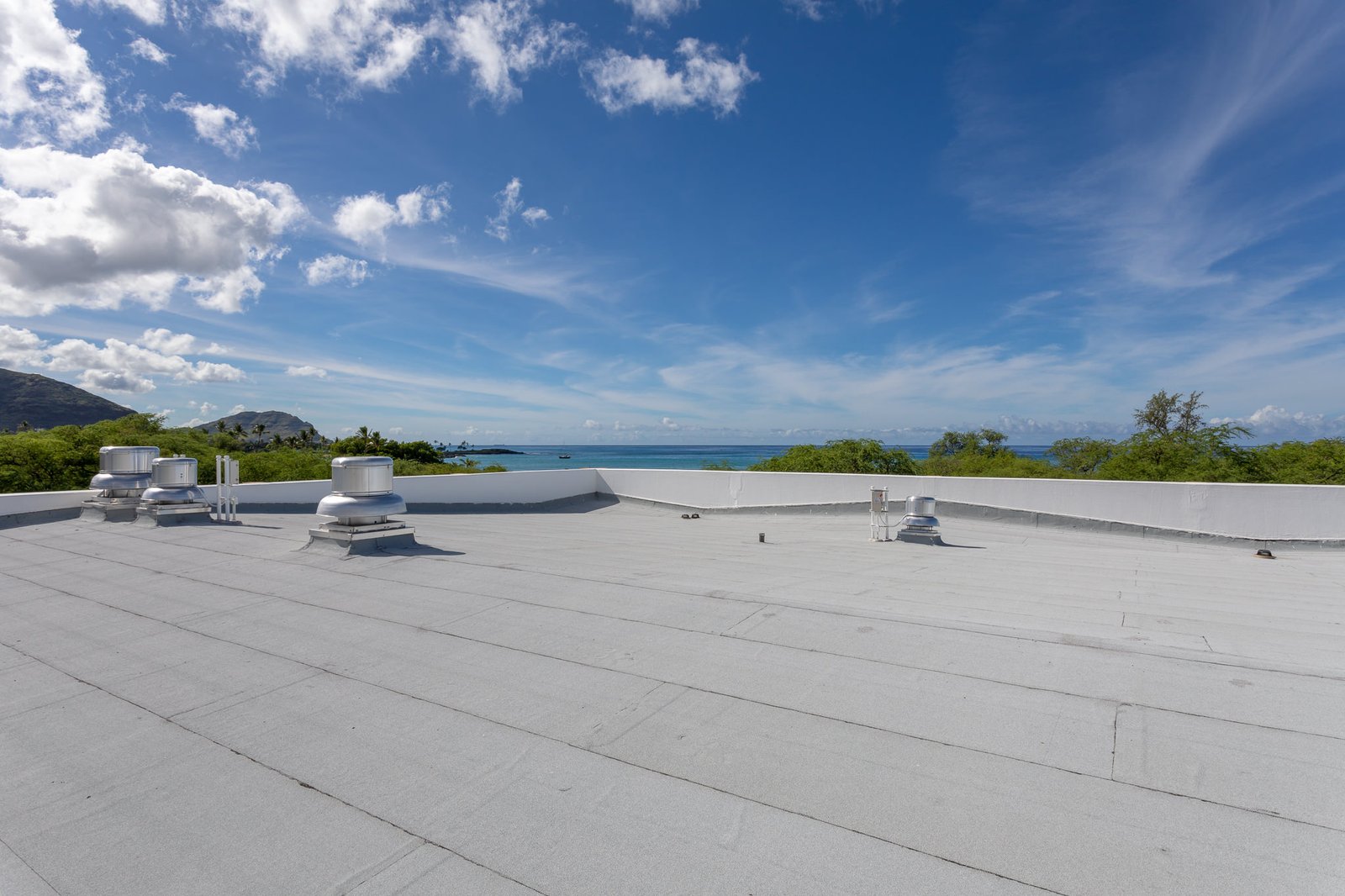
Membrane Seam & Field Splits
A lifted or split seam on a TPO or EPDM roof, or a cracked lap on modified bitumen. We clean the area back to sound membrane, re-weld or re-adhere the seam, and reinforce it so water stops tracking under the sheet.
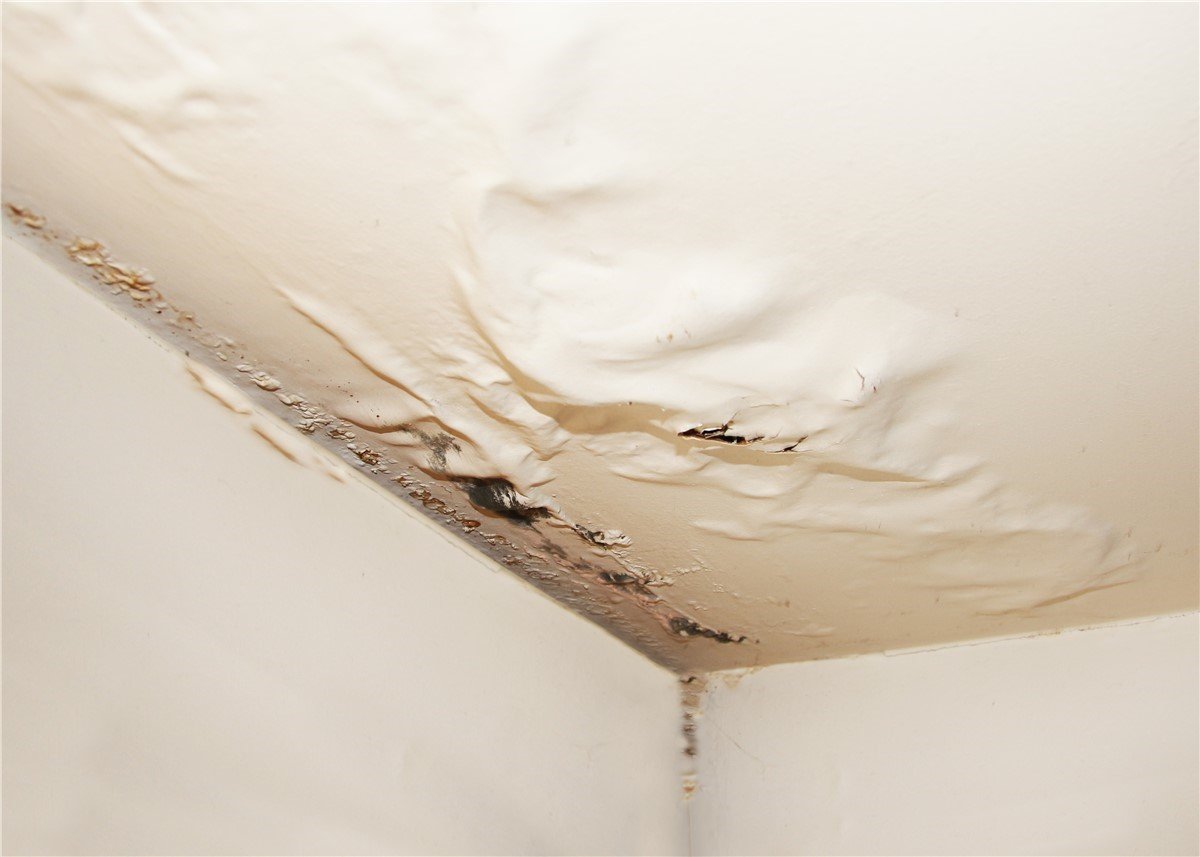
Ponding & Drainage Failure
Water that stands for days after a Georgia thunderstorm because the roof lost its slope to the drain. We clear and re-flash drains and scuppers, and add slope or crickets where the membrane is being cooked by standing water.
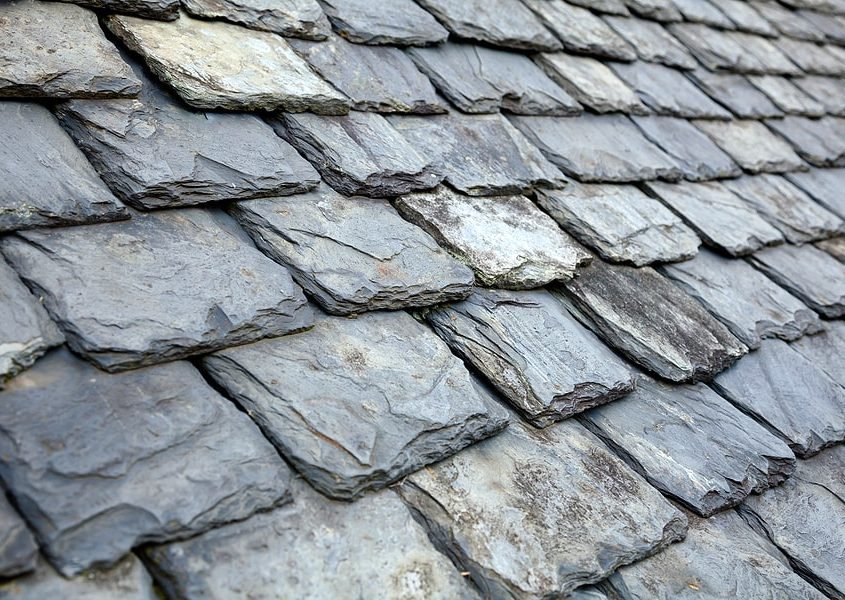
Flashing, Curb & Penetration Leaks
Leaks at a wall flashing, a rooftop unit curb, a vent pipe, or a parapet edge. These transitions are where low-slope roofs almost always fail first. We strip the failed detail and rebuild the flashing to shed water.
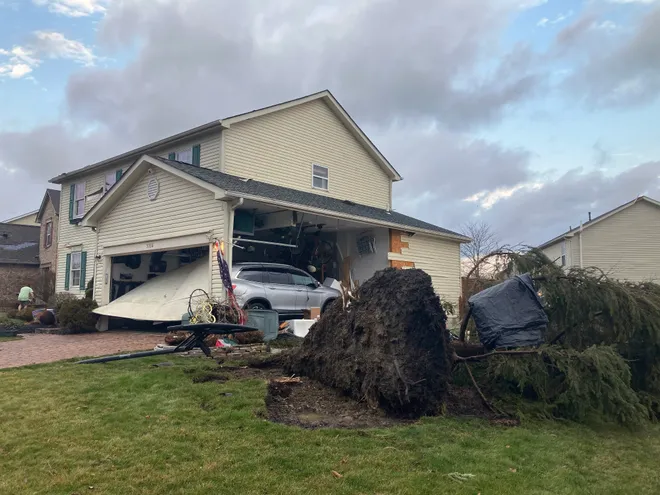
Blistering & Storm Damage
Blisters that trap moisture and split, or a punctured membrane after a fallen limb or wind-driven debris. We open the blister, dry it out, and patch the field, or handle it as a documented storm claim if that's the cause.
How a Flat Roof Repair Visit Actually Goes
No mystery, no bait-and-switch. Here's exactly what happens from the first call to the last check.
We Trace the Real Source
Because water travels sideways under a membrane, the leak inside is rarely under the bad spot on the roof. We walk the whole field, check every seam, flashing, drain, and curb, and find where water actually gets in before quoting anything.
Identify the System
TPO and EPDM get different repairs than modified bitumen. We confirm what membrane you have and match the repair method and materials to it, so the patch bonds instead of peeling in a season.
Seal, Re-Flash & Restore Drainage
We re-weld or re-adhere seams, rebuild failed flashing and curb details, patch punctures and blisters, and clear or re-flash drains and scuppers so water carries off the roof instead of standing on it.
Test & Document
We water-test the repair, confirm it holds, and give you photos of what failed and what we fixed. On storm-cause leaks, that documentation goes straight into your insurance claim.
Flat Roof Repair, Straight Answer
Flat roof repair means finding and sealing the isolated failure on a membrane that's still sound, so you don't pay to replace a roof that has years of service left. Most low-slope leaks come down to four things: a split or lifted membrane seam, standing water that has broken down an area, a failed flashing at a wall, curb, or penetration, or a blister or puncture in the field. Each of those is a repair when the rest of the membrane is still watertight. The difference between a flat roof and a shingle roof is that water sits on a flat roof, so a single bad seam becomes an active leak instead of a slow drip. That also means the leak inside your building is usually nowhere near the actual hole, so we trace the true source rather than patching the wet spot on the ceiling. A low-slope roof in the humid Piedmont takes a beating: long hot summers cook the membrane, spring and summer thunderstorms dump water faster than a clogged drain can move it, and pollen plus pine straw pack the drains solid every March. That's why the same handful of failures come up over and over. If your building has a full commercial system that needs planning around tenants and operations, our commercial roofing crew handles full low-slope and specialty membrane installs, and this repair page routes into that when a replacement is the right call.
Low-Slope Membrane Leak and Seam Repair (TPO, EPDM, Modified Bitumen)
Seams are where a low-slope membrane leaks first, and the repair depends entirely on which system you have. A patch that works on EPDM will peel off TPO, and neither method belongs on modified bitumen, so getting the system right is the whole job. TPO is a heat-welded thermoplastic, so we clean the seam, re-weld it with a hot-air gun, and probe the weld to confirm it took. A cold or contaminated weld is the usual reason a TPO seam leaks in the first place. EPDM is a rubber membrane seamed with adhesive or seam tape, so we strip the failed lap, prime it, and re-bond with fresh tape or a cover strip so the joint stops wicking water. Modified bitumen is a torch- or cold-applied asphalt sheet, so we re-seal cracked laps and reinforce splits in the field where the sheet has aged and gone brittle. Remember that water travels sideways under a membrane, so the drip in your office is almost never under the seam that's actually failing, and finding the real entry point is most of the repair. Not sure what system is on your roof? Call 762-477-3858 and we'll come identify it before quoting anything.
Ponding Water and Drainage on a Flat Roof
Standing water is the single biggest killer of a flat roof, and it's a drainage problem before it's a membrane problem. A true flat roof isn't actually flat, it's built with a slight slope to internal drains or edge scuppers, and when that slope is lost or the drain is blocked, water ponds and sits. In the humid CSRA that ponded water doesn't evaporate fast. It sits for days after a storm, cooks in the summer heat, and slowly breaks the membrane down until the seam under it splits. Every March, pollen and pine straw off the heavy oak and pine canopy clog drains and turn a healthy roof into a pond overnight. We clear and re-flash drains and scuppers so water actually leaves the roof, and where the slope itself has failed we add tapered insulation or a cricket to push water toward the drain. If you see standing water on your roof more than 48 hours after rain, that's the tell, and it's worth addressing before it turns into a membrane failure. Request a flat roof assessment and we'll check the drainage and the field together.
Flat Roof Flashing and Curb Leak Repair
Most low-slope leaks don't come from the open field, they come from the transitions, and that's the first place we look. Anywhere the flat membrane meets something else is a detail that can fail: a wall or parapet, a rooftop-unit curb, a vent pipe, a skylight, or a drain edge. These details are the weak points because they're where the membrane gets cut, folded, and terminated, and sun, heat, and years of expansion and contraction work the sealant and the flashing loose until water finds the gap. We don't just re-caulk over a failed detail. We strip the failed flashing back, rebuild the transition, and re-terminate the membrane so it sheds water the way it was designed to. On commercial buildings around the medical corridor and the retail strips along Wheeler Road and Walton Way Extension, curb and penetration leaks are the most common commercial flat roof repair we run in Augusta, GA, because those roofs are covered in rooftop equipment. If your leak shows up near a wall, a unit, or a pipe, it's almost certainly a flashing repair, not a whole new roof.
When Flat Roof Repair Is the Wrong Call
We'll be straight with you about when a repair isn't worth your money. Don't pay us to chase repairs when the whole membrane is at the end of its life, and the tells are systemic, not isolated: splits and lifted seams showing up all over the field instead of in one spot, the insulation board under the membrane saturated across large areas so it stays soft and wet even after the top dries out, widespread blistering and shrinkage where the membrane has pulled at the edges and details, or ponding that has cooked large sections until the membrane is brittle and crazed. At that point, patching one leak just moves the water to the next weak spot, and the smart money goes to a clean membrane replacement instead of another round of repairs. That's a full-system conversation, and our commercial roofing crew handles the low-slope and specialty membrane installs. There's also one honest caveat on brand-new roofs: if your flat roof is only a few years old and it's leaking, don't jump to replacement. New-roof leaks are almost always a bad seam weld or a missed flashing detail, which is a warranty-friendly repair, so call 762-477-3858 and we'll find it before anyone talks about tearing anything off.
Frequently Asked Questions
How do you fix a leaking flat roof?
We start by tracing the true source, because on a low-slope roof water travels sideways under the membrane and the leak inside is rarely under the bad spot on top. Once we find where water actually gets in, we match the repair to your membrane: heat-welding a split seam on TPO, re-bonding a failed lap on EPDM, or re-sealing a cracked lap on modified bitumen. Flashing and curb leaks get the failed detail stripped and rebuilt, punctures and blisters get patched, and clogged or ponding drains get cleared and re-flashed. We water-test the repair before we leave and give you photos of what failed. Call 762-477-3858 and tell us what your roof is doing.
Flat roof repair vs full membrane replacement: which do I need?
Repair when the failure is isolated and the rest of the membrane is still sound: a single split seam, one failed flashing or curb, a puncture, a blister, or a clogged drain. Those are repairs, usually without touching the rest of the roof. Replace when the failures are systemic: seams splitting all over the field, the insulation board saturated across large areas, widespread blistering and shrinkage, or ponding that has left the membrane brittle everywhere. The tipping point is the same one we use on shingle roofs. When the cost of chasing repairs across the whole roof approaches the cost of a clean membrane replacement, replacement is the better long-term value. We'll tell you honestly which side of that line your roof is on, and full replacements route to our commercial roofing crew.
What does flat roof repair cost?
We price flat roof repair by what's actually failing and how large the failed area is, not by a flat number, so a single re-welded seam is a very different job than rebuilding three curb flashings and restoring drainage. The things that move the number are the membrane type (TPO, EPDM, or modified bitumen each repair differently), how many seams, flashings, or penetrations have failed, whether the insulation board underneath is saturated and has to come out, whether ponding means we need to add slope or a cricket, and how much rooftop equipment we have to work around. After we trace the source and look at the field, you get a straight, itemized estimate that shows exactly what drives the price. Call 762-477-3858 for a free look.
Do you repair TPO, EPDM, and modified bitumen roofs?
Yes, all three, and the repair method is different for each. TPO is a heat-welded thermoplastic, so we re-weld failed seams with a hot-air gun. EPDM is a rubber membrane seamed with adhesive or tape, so we strip and re-bond the lap. Modified bitumen is an asphalt sheet, so we re-seal cracked laps and reinforce field splits. Using the wrong method is the most common reason a previous patch failed, so we confirm your system first and match the repair to it. If you're not sure what membrane is on your roof, we'll identify it on the assessment before quoting anything.
My flat roof has standing water after it rains. Is that a problem?
It can be, and it's worth checking. A flat roof is built with a slight slope to its drains, so water should be gone within a day or two of a storm. Water that stands for more than 48 hours means the slope has failed or the drain is blocked, and in the humid CSRA that ponded water cooks in the heat and slowly breaks the membrane down until a seam splits. Clogged drains from spring pollen and pine straw are a common cause here, and clearing and re-flashing them is a straightforward repair. Where the slope itself is gone, we add tapered insulation or a cricket to move water to the drain. Catch it early and it stays a drainage repair instead of a membrane failure.
Do you handle commercial flat roof repair in Augusta and North Augusta?
Yes. We repair commercial and residential low-slope roofs across the whole area: Augusta, Martinez, Evans, and Grovetown on the Georgia side, and North Augusta across the river in Aiken County on the South Carolina side. We're licensed in both Georgia and South Carolina and fully insured, and we schedule commercial work around your tenants and business hours. Curb and penetration leaks on equipment-heavy commercial roofs are the most common flat roof repair we run. Call 762-477-3858 and tell us what your roof is doing, and we'll come look before quoting anything.