
Free Roof Inspection in Augusta & East Georgia
A real walk-the-roof inspection, not a drone-from-the-driveway quote. We check the deck, flashing, valleys, penetrations, and your attic, then hand you photos and a straight answer.
What a Real Roof Inspection Looks Like in the CSRA
Davis Construction & Roofing Co. provides a free, walk-the-roof inspection across Augusta and East Georgia, with the owner on every job. A roofer climbs your actual roof, not a drone over the driveway, to check the deck, flashing, valleys, every penetration, and your attic from below, then hands you photos and a plain-language verdict. Licensed in Georgia and South Carolina and family-run, we tell you honestly whether your roof needs work, with no pressure.
The difference between a roof you can trust and a leak you don't see coming is usually something small and hidden: a cracked pipe boot baking on a south-facing slope, lifted flashing along a Summerville chimney, granule loss pooling in a valley after a hail cell cleared in twenty minutes. None of that shows up from the ground or from a photo taken at altitude. Below we walk through what a professional inspection actually covers, how a walk-the-roof inspection differs from a windshield estimate, when you should schedule one, and how an inspection feeds a clean insurance claim with the documentation adjusters expect.
What a Roof Inspection Includes
A professional roof inspection isn't a glance at your shingles. We work through the whole water-shedding system, top to bottom, because the leak you'll get next spring almost never starts where the stain shows up inside. Here's every area we check on a full inspection.
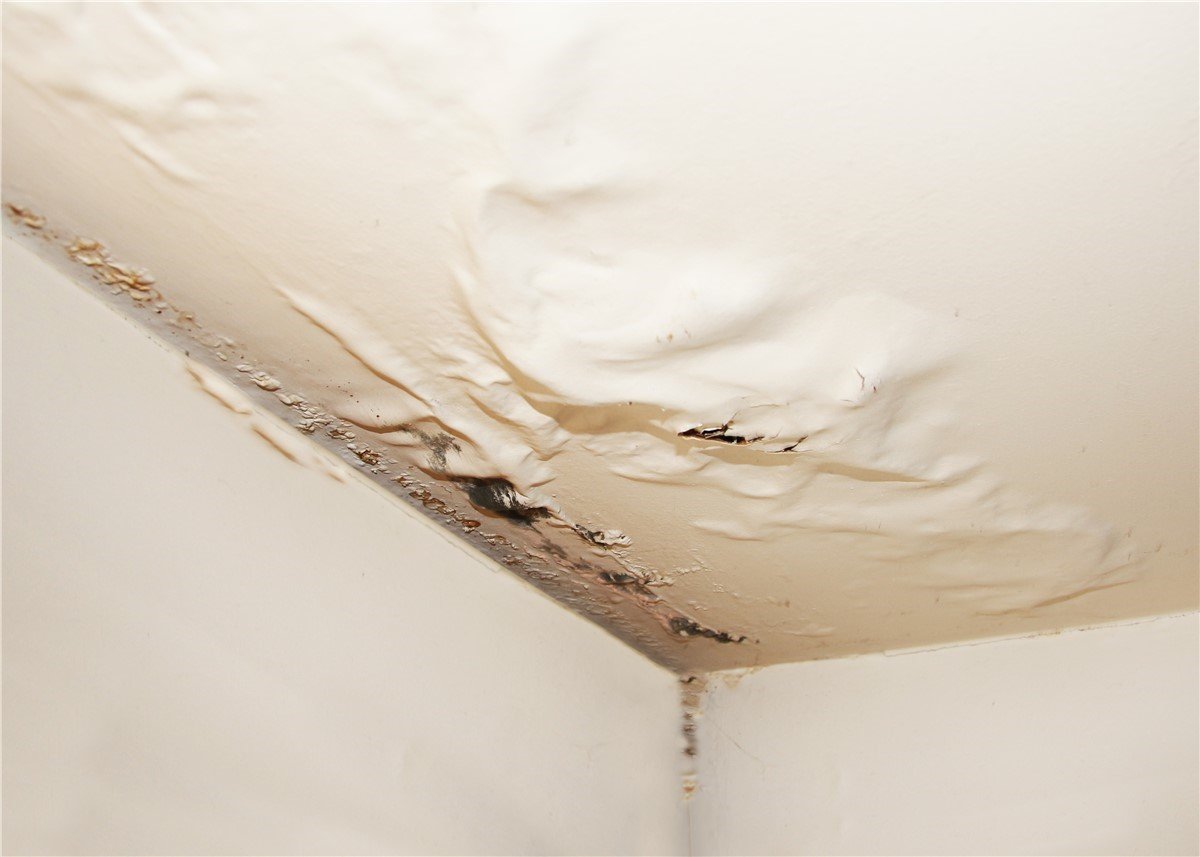
Decking & Sheathing
We probe for soft spots, sag, and moisture in the roof deck and check it from below in the attic. Rotted OSB and plywood, common on older Summerville and Olde Town homes, is the hidden failure that turns a repair into a replacement.
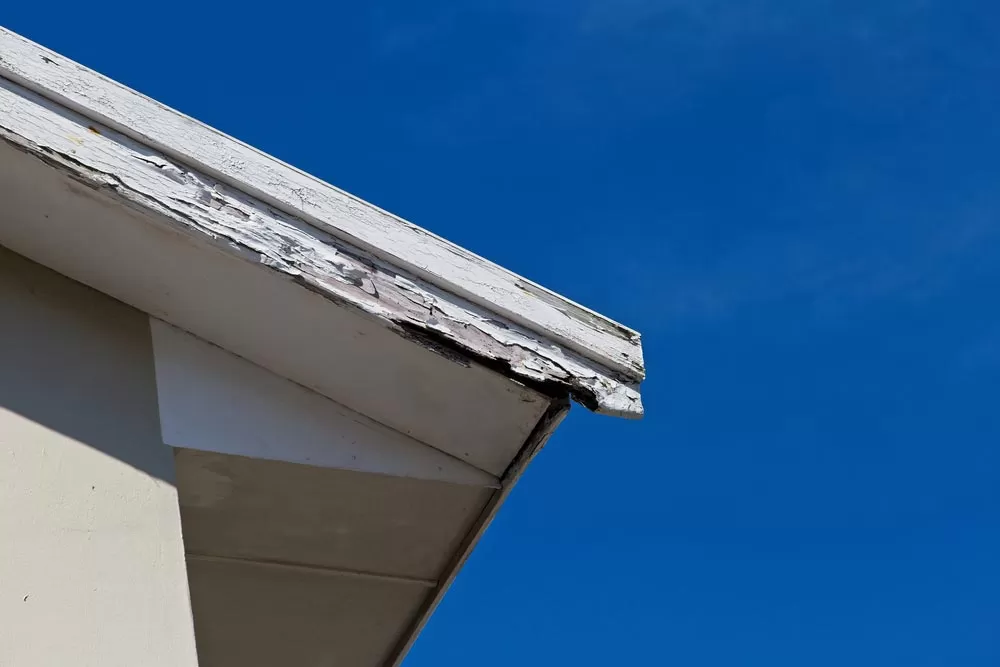
Flashing & Penetrations
Chimneys, skylights, wall junctions, plumbing vents, and pipe boots are where most leaks actually start. We check every flashing detail for lifting, corrosion, and the tell-tale caulk-over-caulk patching that signals a failure already underway.
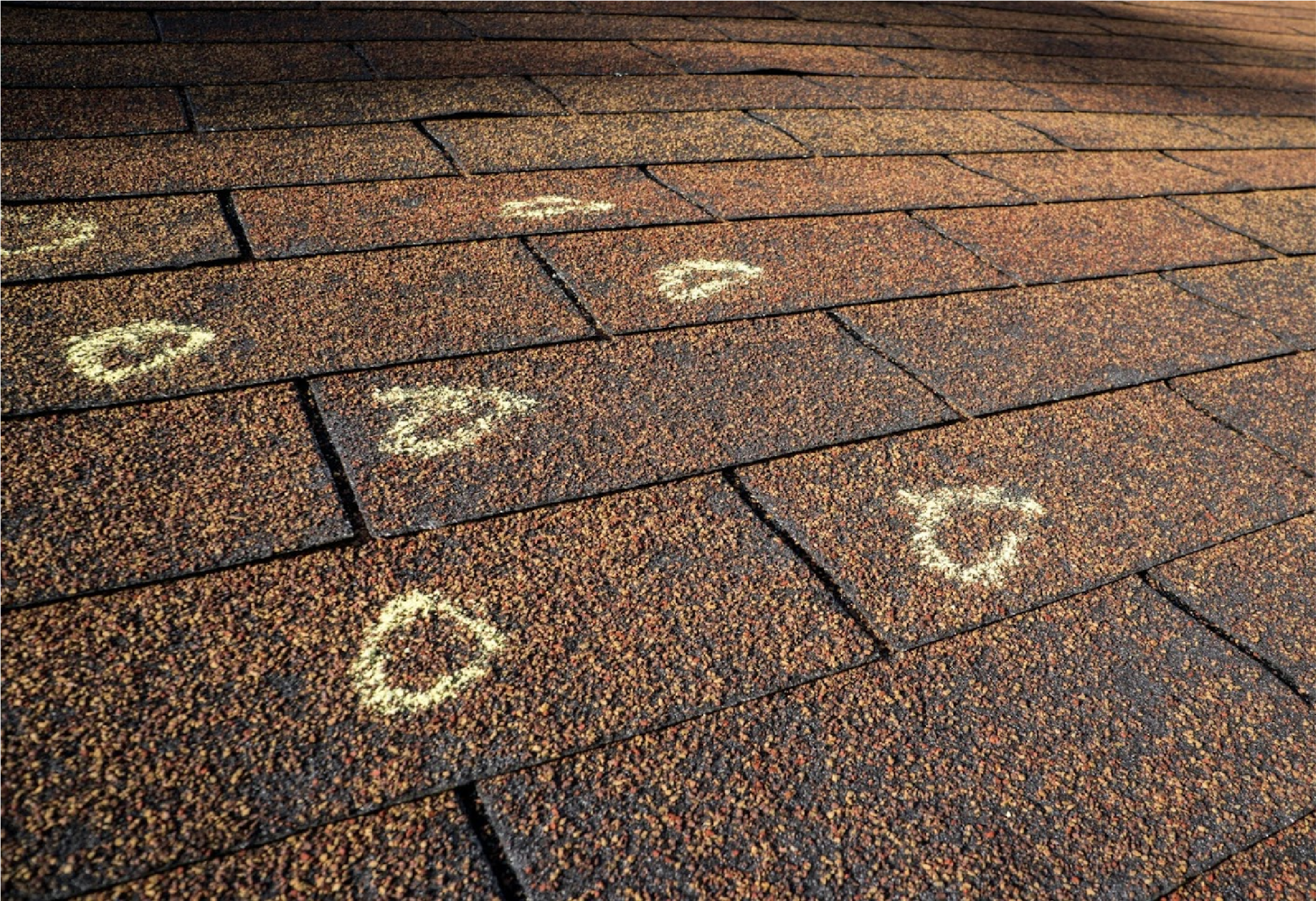
Valleys & Field Shingles
Valleys concentrate runoff and are a prime hail and wind-damage zone. We look for granule loss, bruising, cracked mats, lifted tabs, and missing ridge cap across the full shingle field, not just the slope facing the street.
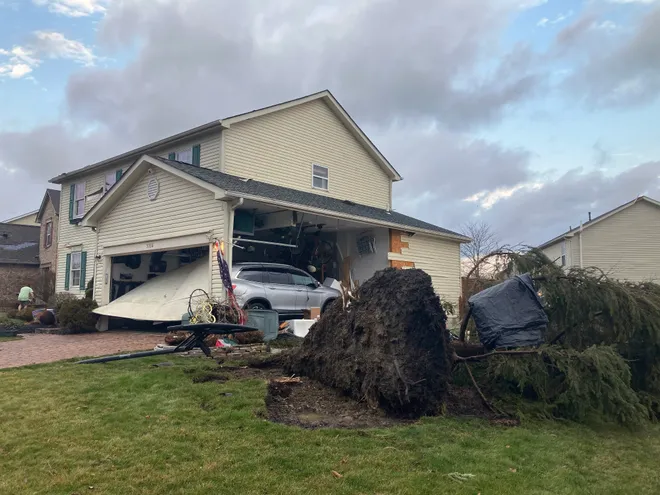
Attic Moisture & Ventilation
We go inside the attic and look for daylight through the deck, water stains on the sheathing, and damp insulation. We also check that ridge and soffit ventilation is sized right, because Augusta's long, hot summers cook an under-ventilated attic and shorten a roof's life from the inside out.
What Does a Roof Inspection Include? Our Step-by-Step
Every inspection follows the same disciplined sequence so nothing gets skipped and you leave knowing exactly what your roof needs. The whole visit usually runs 45 minutes to an hour on a typical residential roof.
Ground & Perimeter Walk
We start from the ground, checking gutters for granule accumulation, looking at fascia and soffit condition, and noting anything visible from below before we get on the roof. This sets the baseline for what we expect to find up top.
On-Roof Inspection
A roofer gets on the actual roof and works the full surface: field shingles, valleys, ridge, hips, and every penetration. We hand-check flashing and pipe boots rather than eyeballing them from a distance, because a boot that looks fine from twenty feet up is often cracked at the collar.
Attic & Interior Check
We go into the attic to inspect the deck from below for moisture, daylight, and stains, and to evaluate ventilation. Many leaks reveal themselves here long before they reach a ceiling. This is the step a drone or a windshield quote physically cannot do.
Photo Documentation
We photograph every issue we find, close enough that you can see exactly what we're talking about. If this is a storm or insurance inspection, the photos are formatted and organized the way adjusters expect them.
Plain-Language Findings
We sit down with you and walk through what we found, what it means, and what it doesn't. If the roof is fine, we tell you it's fine. If it needs a repair, we scope the repair. If it's past the point where repair makes sense, we show you why on the photos rather than just telling you.
Written Estimate If You Need Work
If the inspection turns up something worth fixing, you get a clear, itemized written estimate before any work is scheduled. No verbal-only quotes, no surprise add-ons. The inspection itself is free whether or not you hire us.
Roof Inspection for an Insurance Claim
When a storm is the reason you're getting an inspection, the documentation we gather in the first days after the event directly affects your claim outcome. The CSRA sits in a documented hail corridor, and hail damage to shingles is frequently invisible from the ground, so an undocumented or rushed inspection can undercount the real loss and shrink what your carrier approves. On a storm inspection we photograph every impact point, measure hail strike density, separate fresh wind-lifted tabs from older granule loss, and compile a written report formatted the way most major carriers expect. We can also be present when your adjuster visits to walk the damage together so nothing legitimate gets missed. We won't guarantee a covered claim or quote your deductible, because both depend on your specific policy and the cause of loss. What we will do is give the adjuster a clear, defensible picture so a real claim gets approved at the right scope. For North Augusta and other SC-side properties, ask about a Class 4 impact-rated system and the IBHS Fortified program, both carrier-recognized paths to a premium discount.
Our Roof Inspection Service: Owner on Every Job
Plenty of companies will send someone to look at your roof. What you actually want is the right person looking at it, with no incentive to find work that isn't there. That's the core of how our roof inspection service works. Davis Construction & Roofing Co. is family-owned and family-run, and the owner is on every job, so the person whose name and license are attached to the company is the one accountable for what the inspection report says. We're licensed in both Georgia and South Carolina, fully insured with General Liability and Workers' Compensation, and we've completed thousands of roofs across the region, which means we've seen how the local housing stock fails: rotted decking on early-1900s Summerville bungalows, undersized ventilation on 1990s subdivisions off Walton Way Extension, and the wind-lifted flashing that shows up after every serious storm cell. A hail cell over Richmond County can clear in twenty minutes and still leave granule loss, bruised mats, and lifted flashing that won't surface as an interior leak for weeks, by which point the storm date may already be outside your carrier's reporting window. We built the company on the opposite of the hard sell. If your roof is sound, we'll tell you it's sound and you'll have photos to prove it. If it needs a repair, we scope the repair, not a replacement that produces a bigger invoice. When an inspection turns up an isolated, repairable leak, our roof repair service traces the true source and fixes the underlying failure rather than patching the symptom. When the damage is widespread or the deck is compromised, we'll show you on the photos why a full roof replacement is the smarter long-term call. The inspection is the honest first step either way. Call 762-477-3858 to schedule.
Walk-the-Roof Inspection vs. a Drone-From-the-Driveway Quote
There's a fast-growing shortcut in this trade where a company flies a drone over your house, snaps a few overhead photos, and hands you a quote without anyone ever setting foot on the roof or stepping into the attic. It's quick and it's cheap to run, but it misses the exact things that cause leaks. A real inspection hand-checks flashing and pipe boots, where a cracked collar or a lifted corner is invisible from overhead. It probes the decking for soft spots and hidden rot under otherwise intact shingles. It goes into the attic to look for daylight, moisture, stains, and damp insulation, and it evaluates whether your ridge and soffit ventilation is actually sized correctly. It can also feel the difference between fresh hail bruising and ordinary age-related granule loss, which an overhead photo simply cannot show. An aerial photo shows the top surface of the shingle field on a clear day. It says nothing about whether water is tracking under a flashing detail four feet from where the drip appears inside, and nothing about the saturated decking that's softening under a wind-unsealed slope. Water getting under the shingles is the entire problem, and that is exactly what the overhead shortcut can't see. We get on the roof and into the attic because that's where the answers actually are. A free inspection that skips both isn't really an inspection, it's a sales call with a camera.
Roof Inspection After a Storm: What to Do First
East Georgia storms move fast and hit hard, and the window to protect both your home and your insurance claim is narrow. The first thing to do, before anyone walks the roof, is document the damage from the ground: photograph the roof from below with a zoom lens or phone camera, and photograph any interior ceiling stains or attic moisture with a timestamp, because that establishes the event date for your carrier. Next, note the storm details, the date, the approximate time, and what you observed in terms of hail size, wind, and fallen limbs, since local weather service data confirming the event supports your claim. Then call us before you call your insurer. We perform an independent written inspection and build the documentation package first, so you go into the claim with a professional assessment rather than relying on an adjuster's quick roof walk to catch everything. If a storm has left open penetrations or torn sections actively admitting water, we prioritize same- or next-day on-site assessment and heavy-duty tarping before permanent repair is scheduled, because insurers can reduce payouts when secondary damage occurs after the event. The most common storm-leak call we get is the one that starts with my roof was fine after the storm and then it started leaking three weeks later. That's almost always wind-lifted flashing that re-settled looking sealed but isn't, and an inspection in the first days after the storm catches it before the first heavy rain finds it. A post-storm inspection is not the same as a routine age check. Its job is to connect every piece of damage to the covered event and document it cleanly, and our storm damage repair process covers how that documentation carries through to your adjuster meeting and final payout. Call 762-477-3858 and we'll get out to you.
Free Roof Inspection in Augusta and Across East Georgia
Our free roof inspection covers homeowners and commercial property owners throughout Richmond and Columbia Counties and across the broader CSRA. That includes Augusta and its historic core in Summerville and Olde Town, the Columbia County subdivisions in Martinez and Evans, the newer builds around Grovetown and Fort Eisenhower, and North Augusta across the Savannah River on the South Carolina side. Each of those areas fails a little differently, and an inspection that knows the local housing stock catches more than a generic checklist. Free means free here: the inspection costs you nothing whether or not you hire us, and there's no obligation, so you walk away with photos and an honest verdict either way. If you're scheduling around a home sale, a PCS move out of Fort Eisenhower, or an insurance renewal, tell us your deadline and we'll work to it. For Grovetown military families especially, we understand how tight a PCS timeline can get and we schedule accordingly. To book your free inspection anywhere in the service area, call 762-477-3858 and a real person, not a call center, will get you on the schedule.
Frequently Asked Questions
How much does a roof inspection cost for an insurance claim?
Our roof inspection is free, including storm and insurance inspections. On a storm or insurance inspection we photograph every impact point, measure hail strike density, separate fresh damage from older granule loss, and compile a written report formatted the way most carriers expect. We can also be present when your adjuster visits so we can walk the damage together. We won't guarantee a covered claim or quote your deductible, because both depend on your policy and the cause of loss, but we give the adjuster a clear, defensible picture so a legitimate claim gets approved at the right scope. On the SC side in North Augusta, ask about a Class 4 impact-rated system and the IBHS Fortified program for a possible premium discount.
How often should you get a roof inspected?
A good rule for the Augusta area is once a year, plus after any significant hail or wind event. Annual inspections catch small problems, a cracked pipe boot, lifted flashing, early granule loss, while they're still cheap repairs rather than interior leaks. Because the CSRA sits in a documented hail corridor, the more important trigger is storm damage: any time a serious cell moves through your area, get the roof inspected within days so damage gets documented inside your carrier's reporting window. Older roofs, those past about 15 years, benefit from more frequent checks because the materials are closer to the end of their service life.
Should I get a roof inspection before buying a house?
Yes. A standard home inspection includes a general roof look, but it rarely involves a roofer getting on the roof and into the attic to check decking, flashing, and ventilation in detail. A dedicated roof inspection before you buy tells you whether you're inheriting a sound roof or a near-term replacement, which is real money on a home purchase. We'll give you photos and an honest verdict on remaining service life and any issues, so you can negotiate or budget with full information rather than discovering rotted decking after closing. The inspection is free, with no obligation.
How long does a roof inspection take?
A typical residential roof inspection runs about 45 minutes to an hour. That covers the ground and perimeter walk, the on-roof inspection of the full shingle field and every penetration, the attic check from below, and the time we spend walking you through what we found. Larger homes, steep or complex roofs, and storm inspections that require detailed damage documentation can take longer. We don't rush it, because the whole point of a walk-the-roof inspection is catching the things a quick look misses.
What does a professional roof inspection include?
A full inspection covers the roof deck and sheathing (probed for soft spots and checked from the attic), all flashing and penetrations including chimneys, skylights, plumbing vents, and pipe boots, the valleys and field shingles for granule loss, bruising, and lifted tabs, the ridge cap, and the attic for moisture, daylight, and ventilation adequacy. We photograph everything we find and give you a plain-language verdict. If work is needed, you get an itemized written estimate. The inspection itself is free whether or not you hire us.
Will a roof inspection tell me if I need a repair or a full replacement?
That's exactly what it's for. We assess three things: the age of the roof, the percentage of the surface that's compromised, and whether the decking has been damaged by long-running moisture. Localized damage on a roof with sound decking and years of life left is repair territory. Widespread granule loss, multiple leak points, or compromised decking points toward replacement. We show you which side of that line your roof is on, on the photos, before you decide anything. If it's a repair, our roof repair page covers how we trace and fix the source. If it's a replacement, our roof replacement page lays out the full material ladder.