
Roof Leak Repair in Augusta and East Georgia
We trace where the water is actually getting in, stabilize the same or next day, and document it for your insurance. Call 762-477-3858 anytime.
The Wet Spot on Your Ceiling Is Almost Never Under the Hole
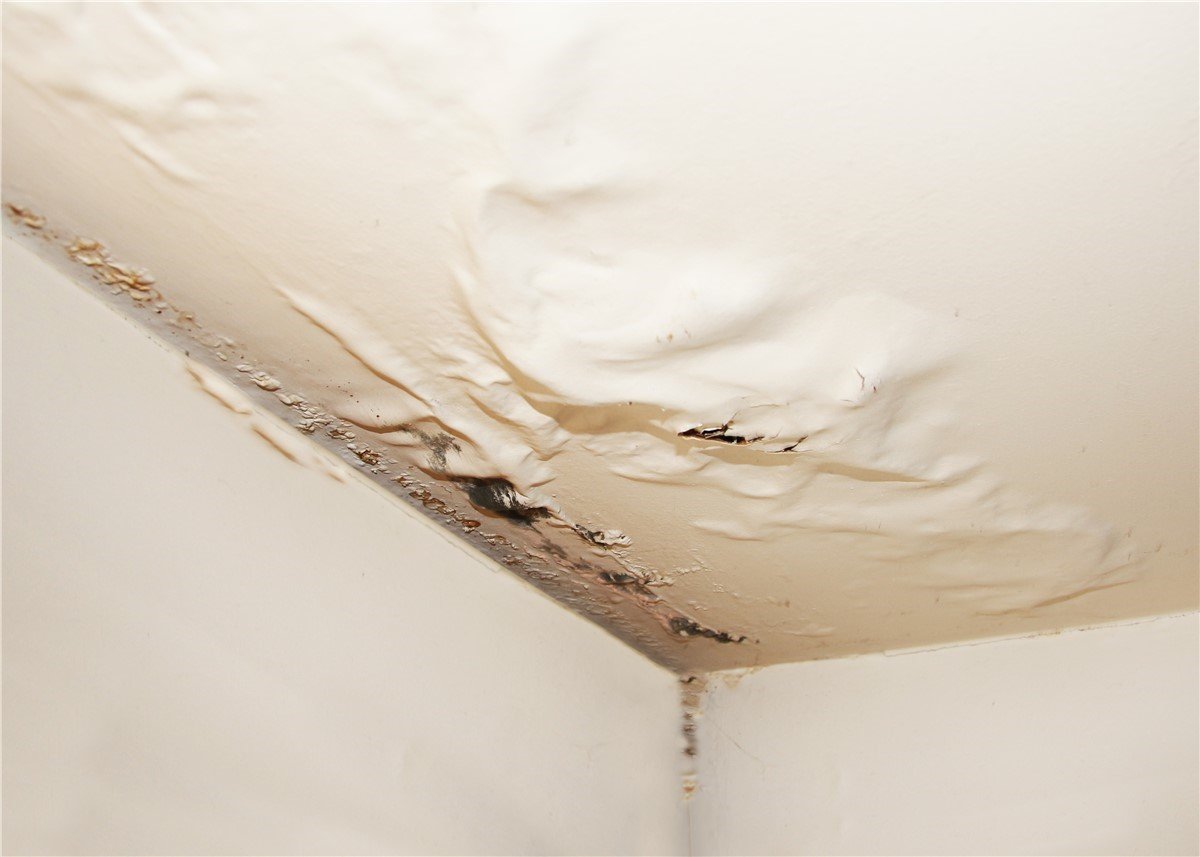
Your roof is leaking and you need it stopped before it does more damage. Here's the thing most homeowners don't know, and most roofers won't tell you: the brown ring on your ceiling is rarely directly under the actual entry point. Water gets in at a cracked pipe boot or a lifted piece of flashing, then runs 4 to 8 feet along a rafter or down the underside of the decking before it finds a low spot and drips. Patch the drip and you've sealed nothing. The leak keeps running where you can't see it, rotting decking and soaking insulation. We built Davis Construction & Roofing Co around tracing the true source first, every time.
We serve Augusta, Martinez, Evans, Grovetown, and North Augusta, and we're licensed in both Georgia and South Carolina, which most local roofers are not. For an active leak we aim to be on-site the same or next day to find the source and stabilize it. On a storm-damaged roof, stabilizing means heavy-duty tarping while permanent repair is scheduled once materials and weather allow. We don't promise a permanent fix on a wet, storm-torn roof the same day, because a repair done in those conditions doesn't last. Real humans answer the phone at 762-477-3858, day or night.
The Four Places Roof Leaks Actually Start
After tracing leaks across Richmond and Columbia County roofs for years, the same handful of failure points account for the overwhelming majority of the calls we get. The drip you see inside almost always traces back to one of these:
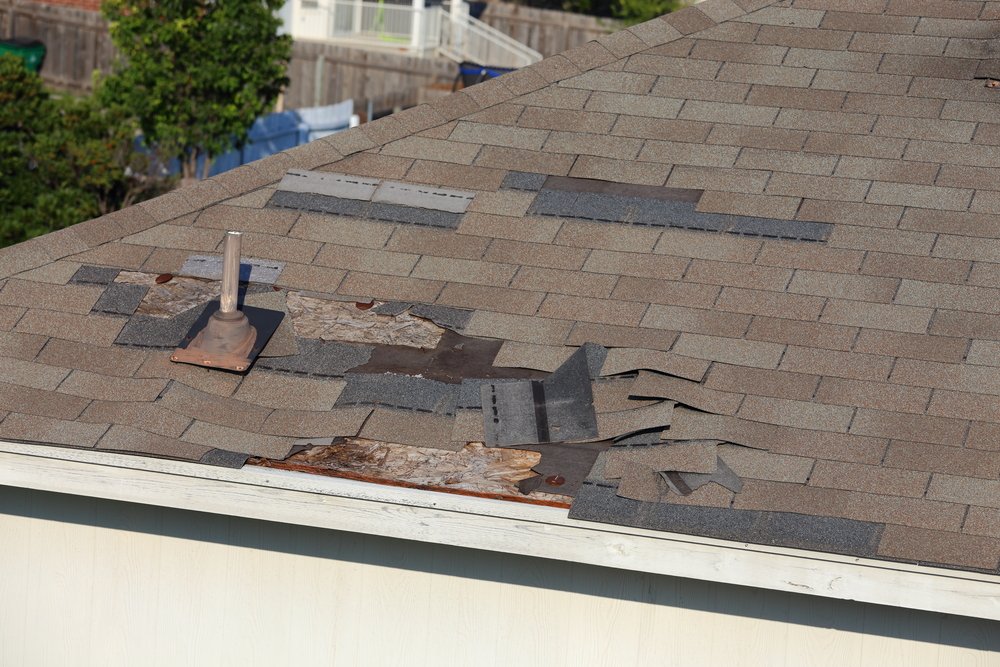
Flashing Failures
The thin metal at chimneys, walls, and skylights is the single most under-diagnosed leak source we find. It expands and contracts through Georgia's heat swings until the sealant cracks. Water then runs behind it and onto the deck several feet from the drip.
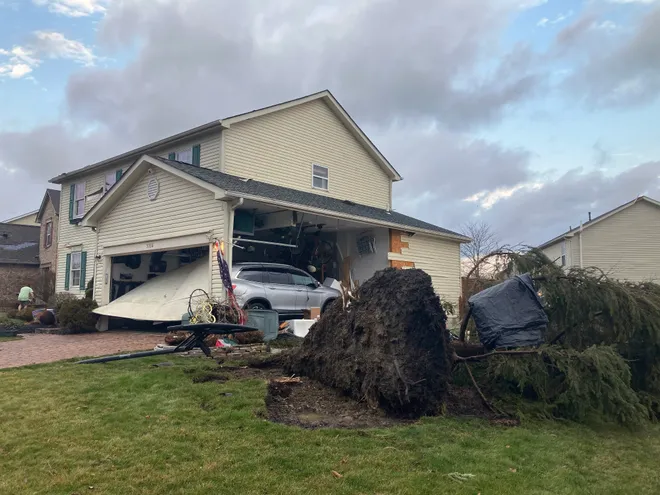
Valleys
Open-metal valleys concentrate runoff from two slopes. When the metal corrodes, lifts at a seam, or was set without enough underlayment beneath it, water travels under the shingles and soaks the deck at the center of the roof, far from where it finally drips.
Penetrations
Every plumbing vent, exhaust, and pipe passes through a rubber boot. Augusta's heat dries and cracks those collars fast, especially on south-facing slopes. A failed boot is a small, cheap fix that does big, expensive damage if it runs unnoticed.
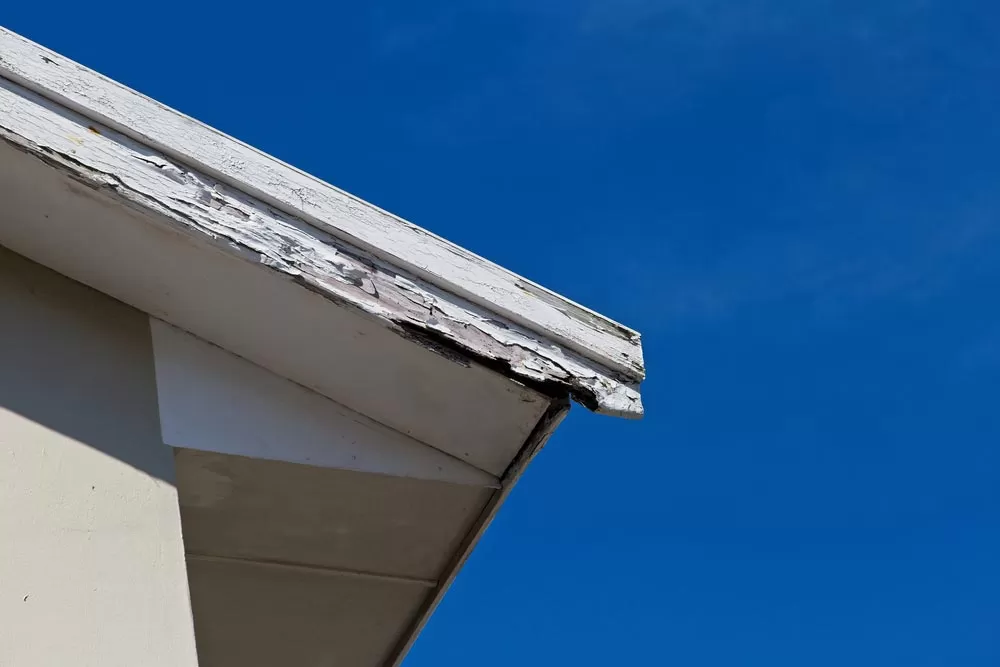
Fascia and Soffit
Overflowing gutters and poor attic ventilation push moisture into the fascia and soffit, where rot spreads back along the rafter tails. By the time it shows from the ground, there's usually structural wood involved behind the panel.
How We Find and Stop a Roof Leak
Finding a leak is detective work, not guesswork. Here's the disciplined sequence we follow on every leak call, and nothing permanent moves forward without your sign-off on a written estimate.
Phone Triage and Dispatch
Call 762-477-3858 day or night. We ask where you see water, when it started, and whether it follows the rain, then prioritize same- or next-day scheduling for an active leak before it gets worse.
Interior and Attic Inspection First
Before we get on the roof, we look from below. The attic deck tells the truth: water stains and trails on the underside of the sheathing point us uphill to where the water is actually entering, which is rarely above the ceiling stain.
Roof-Side Source Tracing
We walk the full roof and inspect the suspect penetrations, flashing, and valleys uphill of the interior evidence. We confirm the entry point rather than guessing, because sealing the wrong spot is the number one reason a leak comes back.
Emergency Stabilization If Needed
If the roof is actively admitting water or storm-torn, we install heavy-duty tarping and temporary weatherproofing the same visit. Tarps are weighted and secured, not nailed through good roofing, so we don't create new penetrations.
Photo Documentation for Insurance
We photograph and log every failure point and the interior damage, formatted for an adjuster's review. If a storm caused it, this is the documentation that connects the damage to a covered event.
Written Estimate and Permanent Repair
You get an itemized written estimate before any permanent work begins. We re-bed and fasten flashing properly, replace failed boots and valley metal with compatible products, and address any deck rot we find rather than shingling over it.
Storm-Caused Leak? We Document It for Your Adjuster
When a thunderstorm, hail cell, or straight-line wind event causes the leak, what you document in the first 48 hours directly affects your claim. We photograph and log every impact point and the interior water damage, provide a written assessment formatted for adjuster review, and can be on-site during the adjuster's visit to walk the damage together. We don't guarantee coverage, that depends on your carrier and the cause of loss, but we give adjusters exactly what they need to process a legitimate claim. For North Augusta and other South Carolina properties, ask us about the IBHS Fortified program and Class 4 impact-rated shingles, which several SC carriers recognize for premium discounts after a qualifying repair or replacement.
How to Find the Source of a Roof Leak
Start inside, not on the roof. The leak almost always enters uphill of where it drips, so the wet ceiling spot is the worst place to look for the hole. Trace it backward instead, working the problem in order: read the attic, check the penetrations, inspect the flashing, then look at the valleys.
Read the Attic First, Then Check Penetrations
On a dry day, go into the attic with a flashlight and follow the water stains on the underside of the deck. Trails and rust around a nail point you uphill toward the entry, and pinpoints of daylight through the deck are guaranteed leak points. From there, check the penetrations: plumbing vent boots are the most common single failure, so look for cracked or shrunken rubber collars around any pipe coming through the roof. Augusta's heat cracks south-facing boots first.
Inspect the Flashing and the Valleys
Look at the flashing next: chimneys, skylights, and any spot where the roof meets a wall. Lifted metal, cracked sealant, or successive layers of caulk over old flashing are signs the leak has been working for a while. Finally, look at the valleys. Where two slopes meet, runoff concentrates, and corroded or lifted valley metal lets water under the shingles and along the deck before it ever drips.
Why the Drip Lies About Where the Leak Is
Water entering at failed flashing commonly travels 4 to 8 feet along a rafter or down the deck before it falls. The interior stain marks where it landed, not where it got in. That's why amateur patches over the wet spot almost never hold. If you'd rather not climb into a hot attic or onto a wet roof, that's exactly the call we want. Ready when you are at 762-477-3858.
Emergency Roof Leak Repair: What We Do When Water Is Coming In Now
An active leak during or after a storm is urgent, not because the ceiling collapses tonight, but because every hour of water inside expands the damage. We answer the phone 24/7 and aim for same- or next-day on-site response to assess and stabilize.
What to Do While You Wait for the Crew
Stay off the roof: a wet roof is a fall hazard and walking it can drive more damage, so document from the ground only. Protect the inside by moving belongings clear of the drip and putting down buckets and towels; if water is pooling above the ceiling drywall, a small relief hole over a bucket can prevent a larger collapse. When we arrive we tarp, not patch: on a storm-torn roof we install heavy-duty tarping and temporary weatherproofing to stop the water, weighted and secured rather than nailed through sound roofing so we don't add new holes. And we document as we go, because every photo we take during stabilization supports your insurance claim later.
Stabilize Now, Repair Right Later
We don't promise a permanent fix on a wet, storm-torn roof the same day. A repair set down in those conditions doesn't bond and doesn't last. We stabilize first, then schedule the permanent work once materials and weather allow. That honesty is the whole point. Call 762-477-3858 and a real person picks up.
Common Causes of Roof Leaks in East Georgia
The Augusta area sits in the humid Piedmont, and the local weather pattern decides where roofs fail. Spring and summer bring strong thunderstorms with hail and straight-line wind, the primary insurance-claim driver here. Heavy oak and pine cover adds limb scrub that grinds granules off shingles and drops branches through them. Long hot summers cook the rubber boots and dry out flashing sealant.
The Local Pattern: Rotted Decking on Older Bungalows
On the early-1900s bungalows around Summerville and Olde Town, the original OSB and plywood decking under the shingles is frequently rotted at the leak point. We inspect the deck before we re-roof rather than discovering it after, which is the brand's signature anti-callback step. Across Richmond and Columbia County roofs, a handful of failures sit behind most leak calls: shingle blow-off from wind getting under tabs that lost their seal; cracked or lifted flashing at chimneys, walls, and skylights, the most under-diagnosed source; failed pipe boots where heat has cracked the rubber collar around a vent; valley leaks that travel several feet under the shingles before dripping; storm punctures from limbs and hail 1.5 inches or larger, where a small hole can saturate a full sheet of decking; and soffit and fascia rot from gutter overflow and poor attic ventilation. Got two or more of these? Don't wait for the next rain. Tell us what's going on and we'll come trace it.
When Roof Leak Repair Is the Wrong Call
We'd rather lose a job than sell you the wrong one, so here's the honest version. A leak repair is the right move when the roof has real service life left and the damage is contained to one area. It's the wrong move in a few specific cases, and we'll tell you so on-site.
When You Should Not Pay for Another Patch
First, when your roof is 20-plus years old with widespread granule loss and multiple active leaks: chasing one leak at a time on a roof at the end of its life just stacks repair cost against a roof you'll be replacing soon anyway, and the tipping point is usually when repair cost passes 30 to 40% of replacement cost. Second, when storm damage covers more than about 25 to 30% of the roof: your carrier may fund a full replacement, and a partial repair could cost you more out of pocket than letting the claim run its course, so we document objectively and let you and your adjuster make the call. Third, when the last "repair" was three layers of caulk over failing flashing: sealant over sealant is a deferred problem, not a fix, and if the flashing system itself is shot, re-sealing it again is throwing money at it. If any of that sounds like your roof, ask us and we'll show you on the roof rather than just telling you. For a side-by-side, see our roof replacement and roof repair cost in Augusta pages.
Frequently Asked Questions
Does homeowners insurance cover a roof leak?
It depends on the cause. Most policies cover sudden, accidental damage from a covered peril like a hail or wind storm, including the resulting leak and interior water damage. They generally do not cover leaks caused by age, wear, or deferred maintenance. The key is documentation: when a storm causes the leak, we photograph and log every impact point and the interior damage, formatted for your adjuster. We don't guarantee coverage, that's between you and your carrier, but thorough documentation is what separates an approved claim from a denied one.
What should I do when my roof is leaking?
Stay off the roof, especially if it's wet. Inside, move belongings clear of the drip and catch the water with buckets. If water is pooling above the ceiling drywall, a small relief hole over a bucket can prevent a larger collapse. Take photos of the interior damage with a timestamp. Then call a licensed roofer for professional tarping and a proper source trace. Call Davis Construction & Roofing Co at 762-477-3858 anytime, day or night, and a real person answers.
How much does roof leak repair cost in Augusta, GA?
There's no honest flat rate, because cost depends on the failure type and whether the deck under it is rotted. A single cracked pipe boot is a short, contained fix. Reflashing a chimney or replacing a corroded section of valley metal and the underlayment beneath it is a larger scope. Deck rot found during the repair adds material and labor that can't be priced until the old surface comes off. We give you an itemized written estimate after an on-site inspection so you know the number before any work begins. Call 762-477-3858 to schedule.
Can a roof leak be repaired, or does the whole roof need replacing?
Most leaks are a repair, not a replacement. If your roof has 10 or more years of service life left and the damage is contained to one area, repairing the source is the right answer. Replacement makes more sense when the roof is past about 20 years with widespread granule loss and multiple active leaks, or when storm damage covers more than roughly 25 to 30% of the roof and your carrier may fund a full replacement. We assess your roof honestly and show you on the roof which side of that line you're on.
How fast can you get to an active roof leak?
For an active leak we aim to be on-site the same or next day to find the source and stabilize it. We answer emergency calls 24/7 and dispatch a crew as fast as conditions allow. On a storm-torn roof, stabilizing means heavy-duty tarping while permanent repair is scheduled once materials and weather allow, because a permanent repair done on a wet roof in bad conditions won't last.
Why does my ceiling stain not line up with the roof damage?
Because water rarely drips straight down. It enters at a cracked boot, lifted flashing, or a failed valley, then runs along a rafter or the underside of the decking, commonly 4 to 8 feet, before it finds a low spot and falls. The interior stain marks where it landed, not where it got in. That's exactly why we trace the true source from the attic up rather than sealing over the visible drip, which is the most common reason a patched leak comes right back.