Roof Replacement Cost: What East Georgia Homeowners Actually Pay
No flat sticker price. A line-by-line breakdown of every cost driver, how to read a replacement estimate before you sign, and when a repair beats a full tear-off.
Roof Replacement Cost in Augusta & East Georgia: The Honest Framework
Davis Construction & Roofing Co. won't quote a flat Augusta roof replacement price, because two homes on the same street in East Georgia can land thousands apart once we get under the shingles. If you're comparing what a new roof runs against how the job itself is scoped, our Augusta, GA roof replacement service page covers the materials, tear-off, and crew side while this guide stays on price. We build every estimate from your actual roof: size, pitch, old-layer count, decking condition, and material grade are what move the number. Family-run and licensed in Georgia and South Carolina, we measure first, then hand you an itemized price. What we quote is what you pay.
We won't throw out a flat national average and call it an estimate, because a median pulled from a database in another climate and another labor market is off by thousands for your specific home. What this guide does instead is itemize every cost driver, walk you through reading a replacement estimate line by line, lay out the repair-versus-replace decision honestly, and explain how the insurance path works when a storm is the reason you're replacing. By the end you'll know exactly what questions to ask any contractor and why the lowest bid is almost never the cheapest roof.
Price of a New Roof by Material: The Full Ladder
Material grade is one of the largest single levers on your replacement cost. We install the full ladder, from budget 3-tab through Class 4 impact-resistant systems, so you can match the roof to your home and your timeline rather than a salesperson's commission. Here's how the grades stack up.
3-Tab Shingles
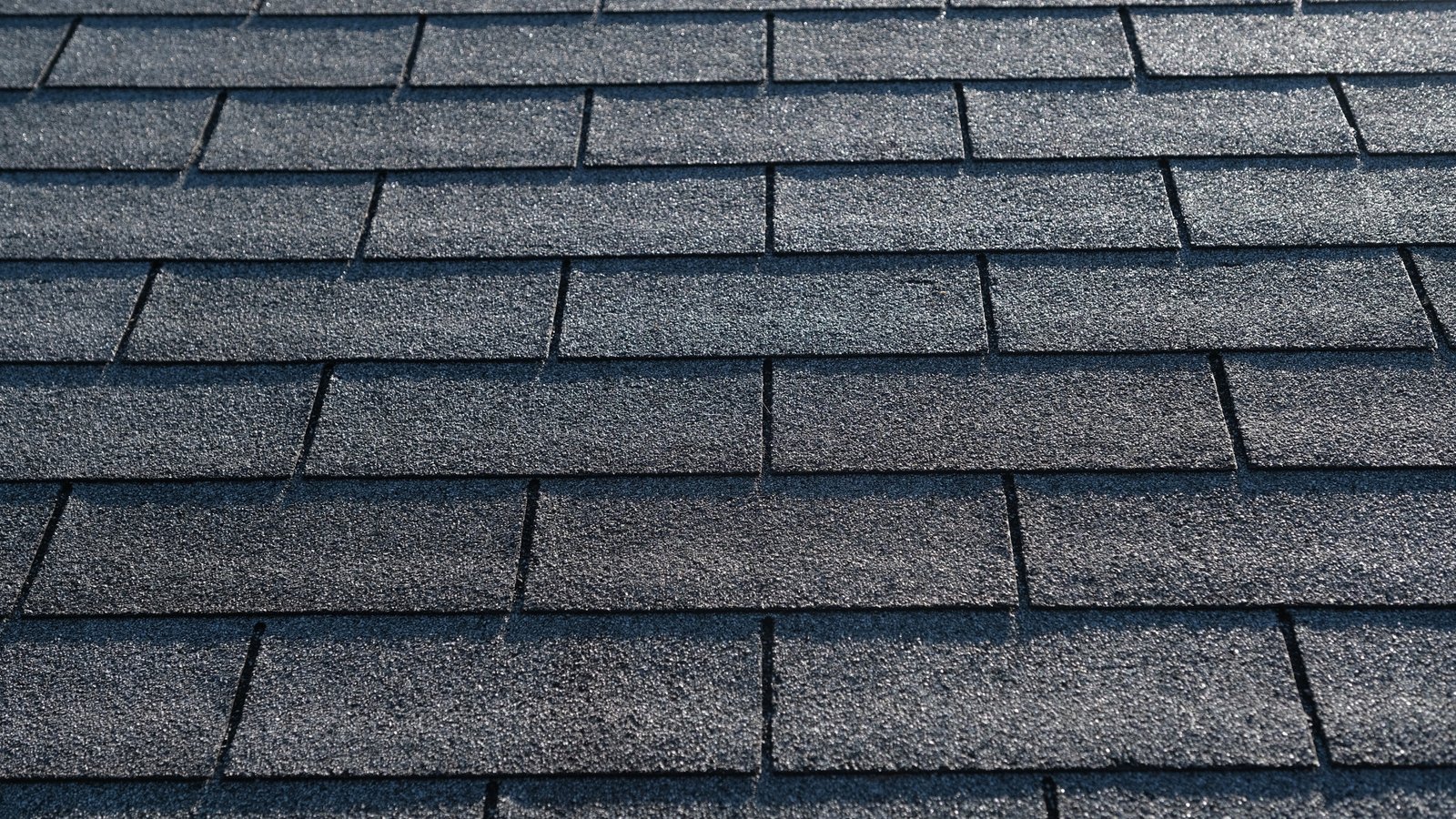
The entry point. Lowest material cost per square, a flat single-layer look, and a shorter rated lifespan. A solid budget choice on a rental or a home you plan to sell soon.
Architectural Shingles
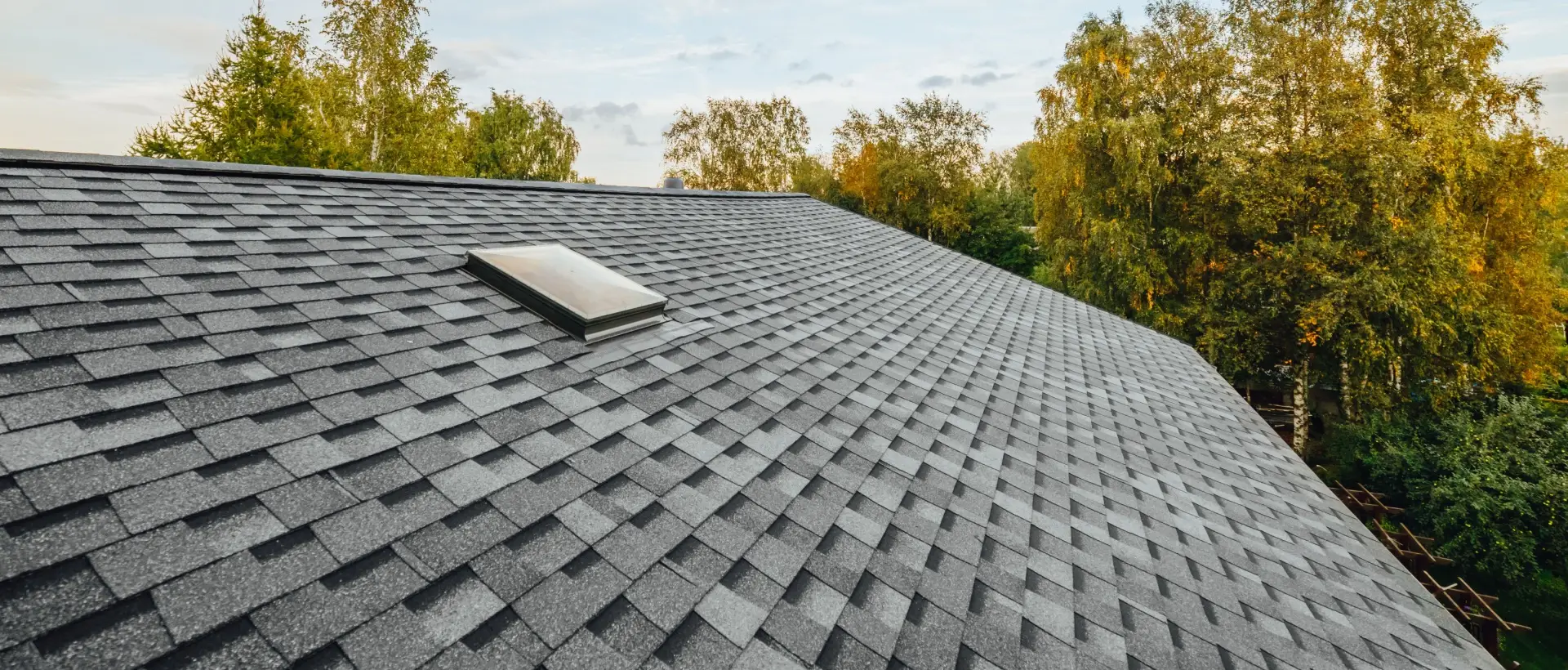
The most common replacement choice in East Georgia. Dimensional look, stronger wind ratings, and a 25 to 30 year rated lifespan. Costs more than 3-tab per square but holds value better on resale.
Class 4 Impact-Resistant Shingles
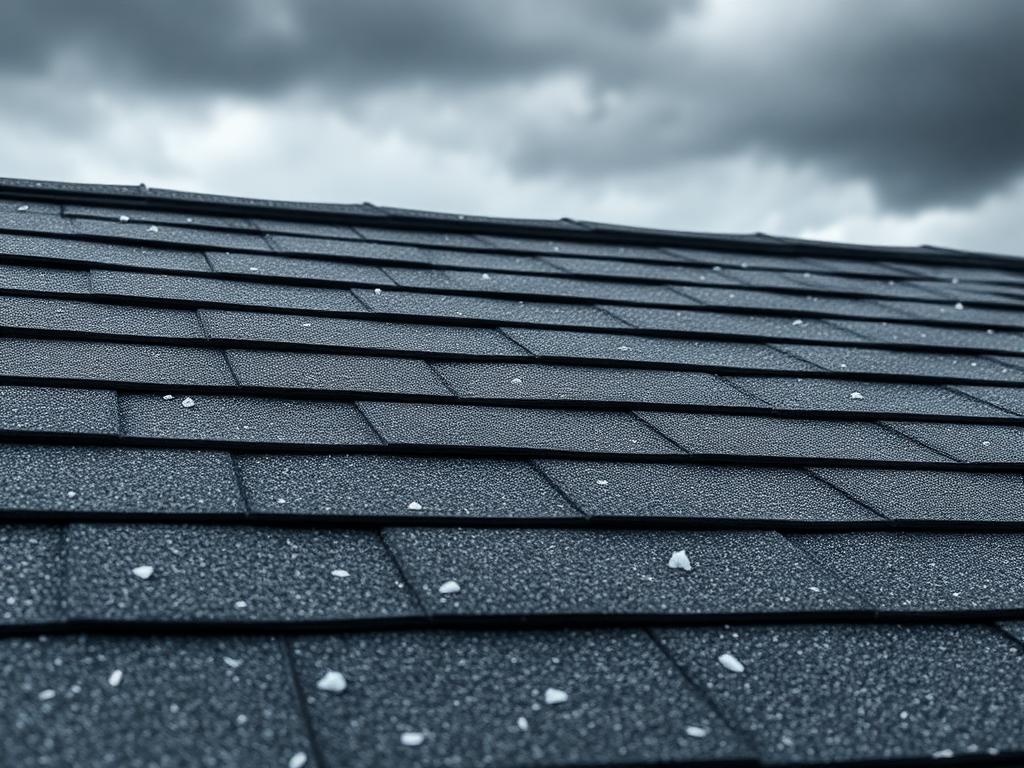
A step up that resists hail impact and can qualify for an insurance premium discount on many carriers. In our documented hail corridor, that discount can offset part of the higher material cost over time.
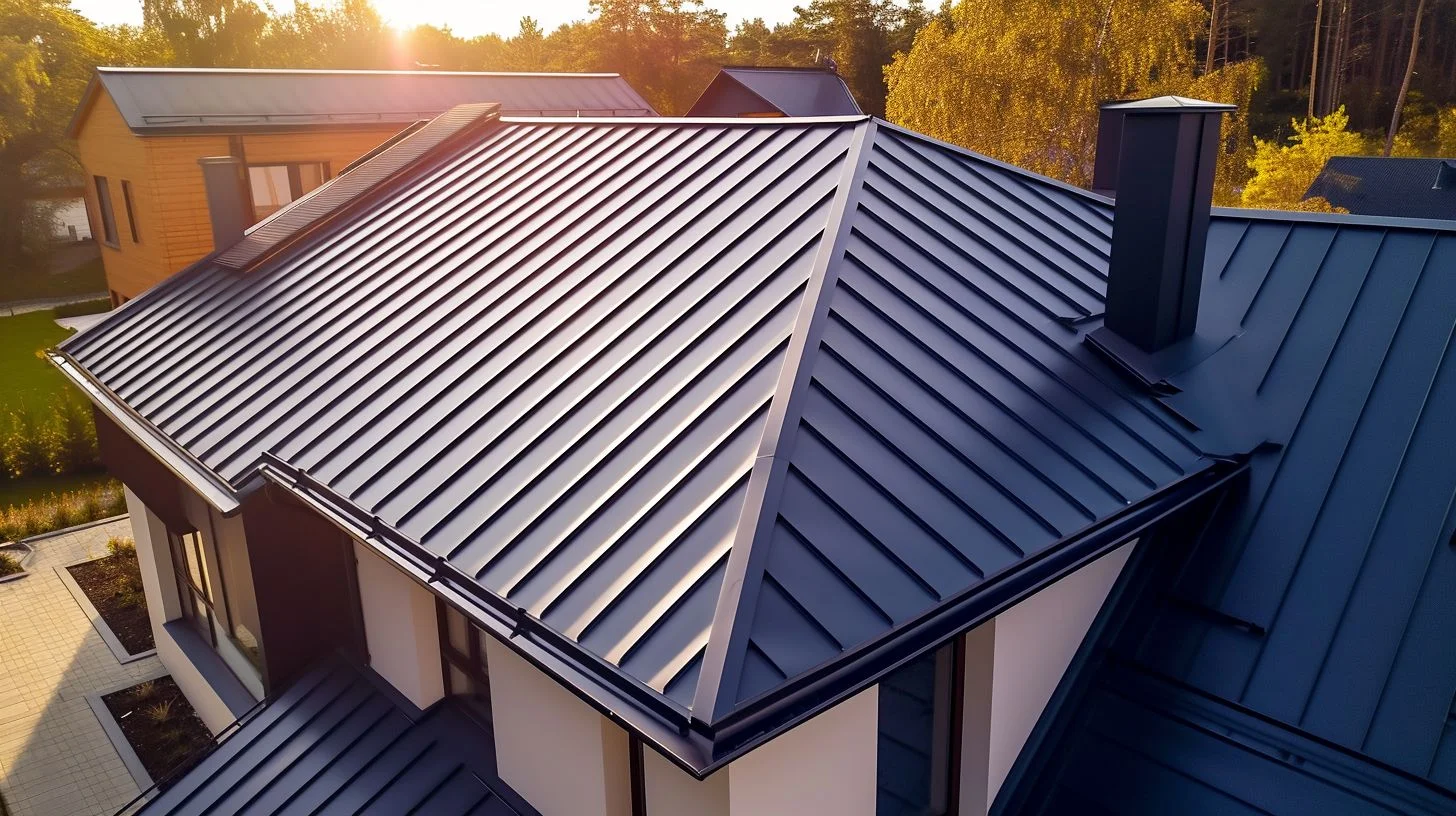
Metal Roofing
Standing-seam and exposed-fastener systems with a 40 to 70 year lifespan. The highest upfront material cost on the ladder, but often the lowest cost per year of service over a long ownership horizon.
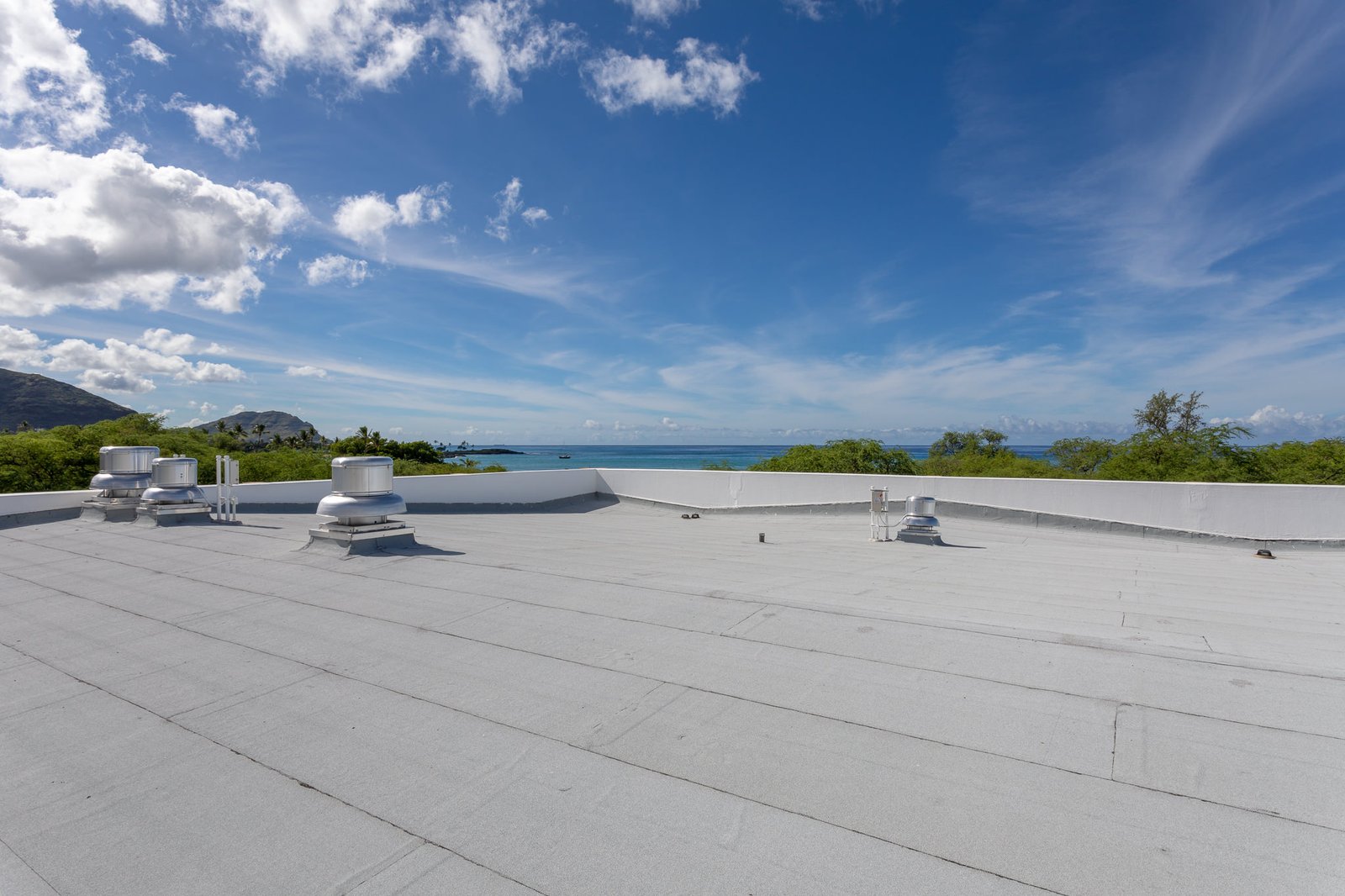
Low-Slope Membrane
Modified bitumen and TPO membrane systems for flat and low-pitch roof sections. A different trade and a different cost structure than steep-slope shingle work, priced by area and insulation condition.
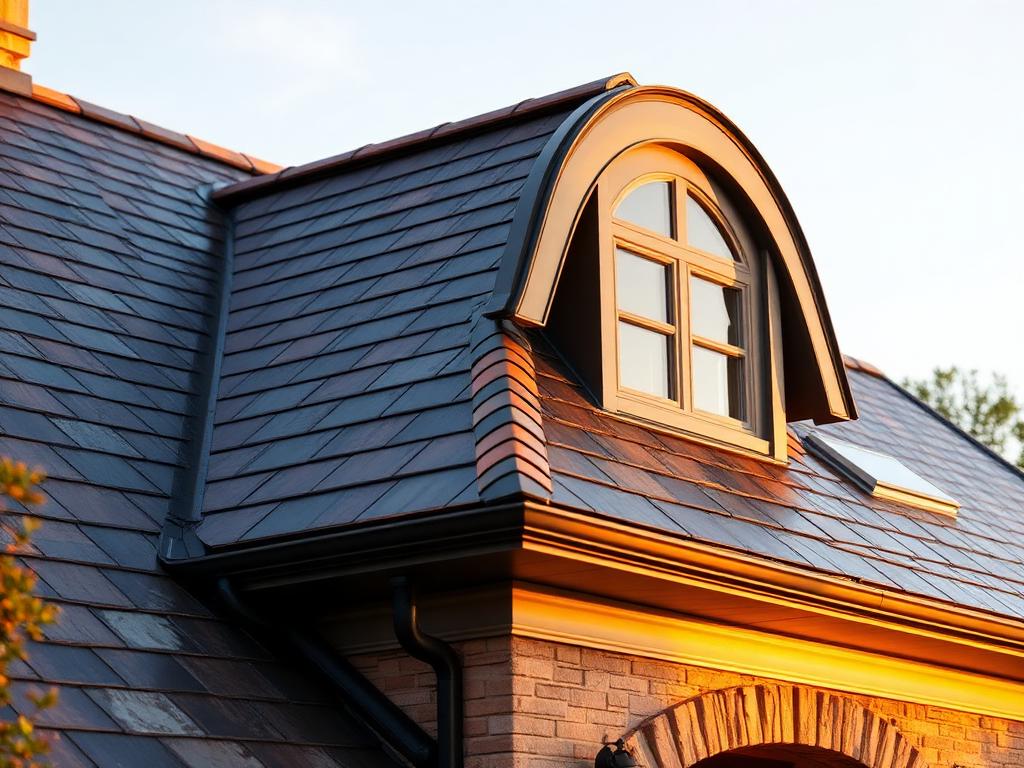
Synthetic Slate & Cedar
Specialty profiles that mimic slate or cedar shake at a fraction of the weight and a longer service life. Higher material cost, reserved for homes where the look matters, including historic-overlay districts.
What Factors Affect Roof Replacement Cost
These are the seven variables that actually move your number. Every one of them is local and property-specific, which is exactly why a national average tells you almost nothing about your roof.
Roof Size (Squares)
Roofing is priced by the square, a 10-foot by 10-foot area equal to 100 square feet. A larger roof costs more in materials and labor, but smaller roofs carry the same fixed setup and mobilization cost spread over fewer squares, so the per-square price can actually be higher on a small house.
Pitch & Stories
A steeper roof costs more to replace. A walkable 4/12 slope on a ranch is a different job than an 8/12 or 10/12 pitch on a two-story Olde Town home that requires fall-protection equipment, roof jacks, and slower, safer movement. Height and pitch both add labor hours.
Tear-Off Layer Count
Georgia's older housing stock often hides two or three layers of old shingles nailed over each other. Each extra layer multiplies disposal weight, dumpster haul, and labor hours. We tear off to the deck so the new system sits on a clean, inspected surface rather than over old failures.
Decking Replacement
After tear-off and before new material goes down, we inspect the decking. Rotted, soft, or delaminated OSB and plywood, common on Summerville bungalows and any roof with a long-running leak, has to be replaced. This is priced per sheet and disclosed with photos, never buried.
Ventilation Upgrades
Augusta's long, hot summers punish under-ventilated attics. If your current ridge or soffit ventilation is undersized, bringing it up to spec during the replacement protects the new roof's warranty and your cooling bill. It's a line item, and we explain it rather than slip it in.
Penetration Count
Every chimney, skylight, plumbing vent, and pipe boot is a place water tries to get in, and each one needs new flashing and a watertight detail. A roof with a chimney, three vents, and a skylight costs more to flash correctly than a simple gable with two pipe boots.
Material Grade
Your spot on the material ladder above, from 3-tab through metal and synthetic slate, is the single choice you control most directly. We walk you through the trade-offs so the grade fits your home and how long you plan to stay, not a quota.
Is Roof Replacement Covered by Insurance?
When a storm is the reason you're replacing, your homeowners policy may cover most of the cost, but coverage depends entirely on your carrier and the cause of loss. Georgia policies generally cover sudden storm damage from hail, straight-line wind, and falling trees, and exclude gradual wear, age, and deferred maintenance. The CSRA sits in a documented hail corridor, and hail damage to shingles is often invisible from the ground, so documentation is everything. When we inspect a storm-damaged roof we photograph every impact point, measure hail strike density, and separate fresh wind-lifted tabs from older granule loss, then we work directly with your adjuster and provide a written inspection report in the format most major carriers expect. For North Augusta and other SC-side jobs, a Class 4 impact-rated system and the IBHS Fortified program are carrier-recognized paths to a premium discount worth asking about. We won't guarantee a covered claim or quote your deductible, because those depend on your policy. What we will do is give the adjuster a clear, defensible picture of the loss so the replacement scope is approved correctly.
How Much Does a New Roof Cost? Why There's No Flat Answer
The question every homeowner starts with is how much does a new roof cost, and the honest answer is that the price is built from your roof, not from a chart. Two homes with identical square footage can land at meaningfully different totals because of pitch, layer count, decking condition, penetration count, and the material you choose. A single-story Martinez ranch with a walkable 4/12 roof, one layer to tear off, and sound decking sits at the low end of the range for its size. A two-story Summerville home with a steep hip roof, two old layers, rotted OSB under the valleys, and a chimney plus three skylights sits much higher even at the same square footage. That's why a national average is the wrong tool. It blends labor markets, climates, and material costs that have nothing to do with the Augusta CSRA, and it ignores everything that actually drives your number. We replace that average with a real, itemized estimate based on what we find when we measure and inspect your roof.
Average Roof Replacement Cost: What the Real Range Depends On
When people search for the average roof replacement cost, what they really want is a defensible range they can budget against. If the total lands higher than you'd hoped to pay at once, financing a roof replacement through monthly payments is worth putting on the table before you rule out a material or defer the job. The most useful way to think about it is by the cost drivers, not a single midpoint. Size sets the floor, because materials and labor both scale with squares. Pitch and stories raise labor because steep and tall roofs are slower and require fall protection. Tear-off layer count raises both disposal and labor, sometimes dramatically on a roof with three old layers. Decking replacement is the wildcard that surprises homeowners most, because you don't know how much rotted sheathing is under the old roof until it's off. Material grade swings the total more than any other single choice you make. Stack those together and you can see why a contractor who quotes a flat price over the phone, before measuring your roof or inspecting your decking, is guessing. We'd rather measure first and give you a number you can trust than impress you with a fast one you can't.
How to Read a Roof Replacement Estimate Line by Line
A legitimate replacement estimate tells a complete story, and a lowball estimate gives itself away in the line items it leaves out. A full estimate should spell out tear-off and disposal with the layer count noted, a decking inspection scope with a per-sheet rate for any sheathing that has to be replaced, underlayment specified by product name rather than just felt, ice-and-water shield at the eaves valleys and penetrations, starter strip and drip edge, every flashing detail broken out for valleys step counter and pipe boots, the roofing material by manufacturer and product name, ventilation work if the attic needs it, labor, cleanup and haul-away, and the permit if your jurisdiction requires one. What should worry you is a single vague line that reads roof replacement for one price, materials listed without brand or grade, flashing marked reuse existing with no inspection note, no decking contingency, and no manufacturer warranty information. The single biggest red flag is a bid that's 30 to 40 percent below every other quote you received. That gap doesn't come from efficiency. It comes from skipped permits, thinner materials, reused flashing, no decking contingency, or unaccountable subcontracted labor, and it almost always costs more by the time someone has to come fix it. Bring any quote you've already received to your estimate call and we'll walk through it with you, line by line, no obligation.
Repair or Replace My Roof? The Honest Threshold
Before you spend on a full replacement, it's worth knowing whether a repair is the smarter call, and a good roofer will have this conversation with you instead of selling up. The decision turns on three things, the age of the roof, the percentage of the total surface that's compromised, and whether the decking has been damaged by long-running moisture. If a repair addresses less than roughly 25 to 30 percent of the total roof area and the decking is sound, repair almost always pencils out better. Once damage crosses that line, or the roof is within about five years of the end of its rated lifespan, replacement starts to win, because you're not saving money on a repair if you'll need a new roof in two years anyway. The 25 percent rule is real, not marketing. Georgia building departments and most insurance carriers use a similar threshold, where widespread damage can trigger a full-replacement and code-upgrade requirement rather than a patch. We measure the affected area as part of every inspection and tell you exactly which side of that line you're on before you decide anything. If a repair is genuinely the right answer, our Augusta roof repair cost guide covers when repair is cheaper than replacement, and our roof replacement service page covers the full material ladder for when it isn't.
Does a Steeper Roof Cost More to Replace?
Yes, and the reason is straightforward once you've stood on one. A steep roof costs more to replace for two reasons, safety and speed. A pitch of 8/12 or steeper requires fall-protection equipment, roof jacks and toe boards, and harnessed crews moving deliberately, all of which adds labor hours to every task on the roof. A walkable 4/12 slope on a Columbia County ranch lets a crew move fast and stage materials easily. The same roof area on a steep two-story Summerville home takes longer and carries more risk, so it costs more, and there's no honest way around that. Steeper roofs also generate more material waste at hips, valleys, and ridges, which adds modestly to material cost. Stories matter alongside pitch, because a tall roof means more setup, longer ladder and lift staging, and more time spent moving safely. When we measure your roof we account for pitch and height directly rather than applying a flat per-square rate that pretends every roof is walkable, because pretending that is how a quote ends up wrong.
Decking Inspection After Tear-Off: Our Anti-Callback Step
The step that separates a roof that lasts from a roof that gets called back is the one most homeowners never see, the decking inspection after tear-off and before new material goes down. Once the old shingles and layers are stripped to the deck, we walk every sheet of OSB and plywood looking for rot, delamination, soft spots, and saturated sheathing around old leak points and valleys. On older homes, especially the early-1900s bungalows in Summerville and any roof that's been leaking for a season or two, we find compromised decking on a meaningful share of jobs. Laying a new roof over bad decking is how a brand-new roof fails early and becomes a warranty fight, so we replace what's bad, price it per sheet, and show you photos of exactly what we found and why. This is also why an estimate without a decking contingency line should make you nervous. A contractor who hasn't accounted for hidden deck rot is either going to spring a change order on you mid-job or skip the step entirely. We'd rather tell you about it before we nail than explain it after a callback.
Permits, Code, and Why the Cheapest Bid Costs More
A roof replacement in this market requires a permit, and which office issues it depends on where you live. Richmond County jobs in Augusta go through Augusta-Richmond County Planning & Development. Columbia County jobs in Martinez, Evans, and Grovetown go through Columbia County Community Development. North Augusta jobs cross the Savannah River into South Carolina and go through the City of North Augusta and Aiken County, which is also a different code edition and a different set of insurance-discount programs. We pull every permit that's required, and we're licensed in both Georgia and South Carolina, unlike most local roofers who carry only one state's license. Why this matters to your wallet, unpermitted work that should have been permitted creates title problems when you sell, can void your insurance coverage, and never gets the code inspection that confirms the job was done right. A bid that's cheap because it skips the permit isn't cheaper, it's a liability you inherit. The permit, the licensed crew, the decking contingency, and the named materials are exactly what the lowball quote leaves out, and they're exactly what keep a new roof watertight for its full rated life.
Frequently Asked Questions
Is roof replacement covered by insurance?
It can be, when the cause of loss is sudden storm damage, hail, straight-line wind, or a falling tree, rather than age or wear. Coverage depends entirely on your carrier and your policy terms. Georgia policies generally cover storm damage and exclude gradual deterioration, so documentation is what gets a claim approved. We photograph every impact point, measure hail strike density, and provide a written inspection report for your adjuster. We won't guarantee a covered claim or quote your deductible, because those depend on your policy, but we'll give the adjuster a clear picture of the loss. On the SC side in North Augusta, ask about a Class 4 impact-rated system and the IBHS Fortified program for a possible premium discount.
Should I repair or replace my roof?
It comes down to three things, the age of the roof, how much of the total surface is damaged, and whether the decking is compromised. If a repair covers less than about 25 to 30 percent of the roof and the decking is sound, repair usually makes more financial sense. Once damage crosses that line, or the roof is within about five years of the end of its rated lifespan, replacement wins, because a repair doesn't pay off if you'll need a new roof in two years anyway. We measure the affected area during every inspection and tell you which side of that threshold you're on before you decide.
How do I read a roof replacement estimate?
A complete estimate spells out tear-off and disposal with the layer count, a decking inspection scope with a per-sheet replacement rate, underlayment by product name, ice-and-water shield, starter strip and drip edge, every flashing detail, the roofing material by manufacturer and product, ventilation work if needed, labor, cleanup and haul-away, and the permit. Watch for a single vague roof replacement line, materials with no brand or grade, flashing marked reuse existing, no decking contingency, and no warranty information. A bid 30 to 40 percent below everyone else's is the biggest red flag, because that gap comes from skipped permits, thinner materials, or unaccountable labor, not efficiency.
Does a steeper roof cost more to replace?
Yes. A steep roof, 8/12 pitch or greater, requires fall-protection equipment and slower, harnessed crews, which adds labor hours to every task. A walkable 4/12 slope on a single-story ranch lets a crew work fast and stage materials easily, so it costs less to replace per square. Steeper roofs also generate more material waste at hips and valleys, and a taller two-story roof adds setup and staging time. When we measure your roof we account for pitch and height directly rather than applying a flat per-square rate that pretends every roof is walkable.
What is the average roof replacement cost in Georgia?
Georgia roof replacement cost is driven by roof size, pitch, tear-off layer count, decking condition found after tear-off, penetration count, and the material you choose. What's Georgia-specific is the climate's effect on material performance and the Augusta-area labor market. We don't publish a flat average because a number pulled from national data can be off by thousands for your specific home. A free on-site estimate gives you a real, itemized number for your actual roof rather than a median that may not apply to you.
Is there a roof cost calculator that gives an accurate price?
Online roof cost calculators give you a rough national ballpark, but they can't see your roof. They don't know your pitch, how many old layers are hidden up there, whether your decking is rotted, how many penetrations need flashing, or what local permit and labor costs apply in Richmond or Columbia County. Those are the variables that actually set your price. A calculator is fine for a first gut-check, but the only way to get a number you can budget against is an on-site measurement and inspection, which we provide free.
What is the most expensive part of replacing a roof?
Labor and tear-off typically make up the largest share of a replacement, followed by materials. Of the materials, the roofing system itself, the shingles or panels, underlayment, ice-and-water barrier, and ridge cap, outweighs the accessories. The cost that surprises homeowners most is decking replacement, because you can't see rotted sheathing under the old roof until it's torn off. We inspect the deck after tear-off and before new material goes down and price any replacement per sheet, with photos, so it's never a hidden surprise.
How long does a roof replacement take?
Most residential replacements in our market are completed in a single day once the crew is on site, which is the ceiling we work toward, not a guarantee on every job. Larger or steeper roofs, multiple tear-off layers, significant decking replacement, or weather can extend the timeline. We give you a realistic schedule with your estimate rather than promising a single day on a roof that clearly needs more, and if material has to be ordered or weather delays the start, we'll tell you up front.