
Why Augusta Gutters Clog Every Spring (Pollen, Pine Needles, Oak Litter)
Richmond and Columbia County gutters clog on a schedule, not by accident. Here's what the Piedmont tree canopy does to your gutters each spring and how to stop it.
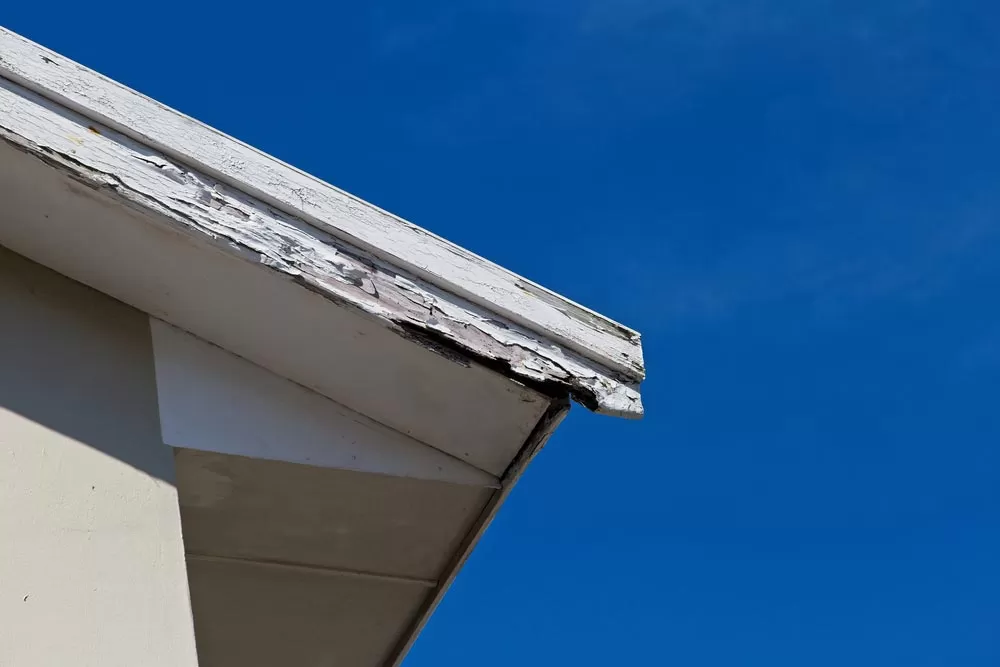
Most homeowners think a clogged gutter is bad luck, a stray clump of leaves that happened to land wrong. In the Augusta area it isn't luck at all. Gutters here clog on a schedule, and the schedule is written by the trees. If your gutters overflow every spring across Richmond and Columbia County, there's a specific chain of events behind it, and once you understand it you can get ahead of it instead of climbing a ladder in June to find out why the water is running down your siding.
Why Do Gutters Clog in Spring?
Spring clogs in the Augusta CSA start with pollen, not leaves. Late February through April our oak and pine canopy dumps a yellow-green pollen load so heavy it coats cars overnight, and that same film settles into every gutter run on your roof. On its own the pollen is a fine paste. The problem is what it does next.
That pollen paste is sticky, and it turns the bottom of your gutter into flypaper. Pine needles and the first oak catkins that fall in the same weeks land on that tacky layer and stay put instead of washing through. Within a few weeks you've got a matted plug of pollen, needles, and grit sitting right at the downspout mouth where the gutter can least afford it.
Then the summer storms arrive. The first hard Piedmont thunderstorm hits a gutter that's already half-plugged, water sheets in faster than the choked downspout can move it, and it backs up over the front lip. From the street it looks like a waterfall off the edge of your roof. That overflow is the moment a "gutter problem" quietly becomes a fascia and foundation problem.
The Real Order of a Piedmont Gutter Clog
People picture a gutter filling with whole leaves like it's autumn in New England. That's not how it works here. The failure runs in a specific sequence, and knowing the order tells you when to act:
1. **Pollen film (late Feb to April).** A sticky base layer coats the entire gutter bottom. Invisible from the ground, but it's the glue for everything that follows. 2. **Pine needles and catkins bind in.** Needles land on the tacky pollen and knit into a mat instead of flushing through. This is the plug forming. 3. **Oak leaf litter and grit build the dam.** Through late spring, leaf bits and roof grit pack the mat solid, usually right at the downspout opening. 4. **First summer storm overflows.** Water backs over the front lip and runs down the fascia and foundation instead of through the downspout. 5. **Standing water rots the fascia.** The board behind the gutter stays wet through our humid summer and never dries. This is the expensive stage.
Catch it at step one or two and it's a rinse. Let it reach step five and you're replacing wood.
Can Clogged Gutters Cause Fascia Rot?
Yes, and in this market it's the single most common way fascia goes bad. When a gutter overflows, water doesn't just spill to the ground. It sheets down the back of the gutter and soaks the fascia board the gutter is mounted to, over and over, every storm. In our humid-subtropical climate that board never fully dries between rains, and constantly wet wood rots from the outside in.
"Nine times out of ten a rotted fascia in this area started as a clogged gutter nobody flushed after pollen season. By the time you can see the damage, the water's been at it for a year or two."
Once the fascia softens, the gutter itself starts to sag because it's fastened into wood that no longer holds. Now you've got two jobs instead of one. That's why we treat gutters and the roofline as a single system. If the overflow has already gotten into the wood, the fix is fascia rot repair from overflowing gutters first, sealing and wrapping the new board, and only then rehanging or replacing the gutter into solid wood that will actually carry the load.
Do Gutter Guards Work for Pine Needles and Pollen?
This is the question we get most, and the honest answer has two halves. Gutter guards are genuinely effective against the big debris in our market: oak leaf litter, pine cones, twigs from limb scrub, the stuff that builds the dam at your downspout. A quality guard keeps that out and turns two or three cleanings a year into one light rinse.
Pollen is the harder half. No screen or micro-mesh stops pollen, because pollen is finer than any guard opening. What good guards do is keep the pollen from bonding to a bed of needles and leaves, so the film mostly rinses through with the next rain instead of setting into a plug. That's the real win here. You're not blocking the pollen, you're denying it the debris it needs to build a clog. On homes buried under pine cover, a fine micro-mesh guard makes the biggest difference because needles are exactly what it's built to shed.
How Often Should Gutters Be Cleaned in Georgia?
For most Augusta-area homes, twice a year is the baseline: once right after pollen season winds down in late spring, and once in late fall after the oaks finish dropping. The spring cleaning is the one people skip and the one that matters most, because it clears the pollen-and-needle mat before summer storms can back water up onto your fascia.
Homes under heavy pine or oak cover, common across Columbia County subdivisions in Martinez and Evans, often need a third check in midsummer. If you've got a two-story roof, a steep pitch, or you're just not comfortable on a ladder, that's exactly what a professional cleaning is for. It's also when a good crew spots the early warning signs, a stained fascia, a gutter pulling away from the board, a downspout that trickles when it should gush, before they turn into a repair bill.
When You Do NOT Need a Gutter Service Call
We'd rather tell you the truth than sell you a cleaning you don't need. If your downspouts run full and clear during a storm, your gutters aren't sagging, the fascia behind them is firm and dry, and you can rinse them yourself safely from a stable ladder, you probably just need a spring rinse and nothing more. A little pollen dust in the bottom of a draining gutter is normal in April here and isn't an emergency. What actually warrants a call is overflow during rain, a sagging or pulling-away run, water stains on the fascia or siding, or gutters you can't safely reach. If none of that is happening, clean them yourself after pollen season and put your money elsewhere.
The Bottom Line
Augusta-area gutters don't clog by accident. They clog on a Piedmont schedule, pollen paste in early spring, pine needles and oak litter binding into it, and the first summer storm pushing the overflow onto your fascia. Get ahead of it with a spring cleaning after pollen season, consider guards if you're under heavy pine cover, and deal with any overflow before it reaches the wood. Davis Construction & Roofing Co is licensed in Georgia and South Carolina, family-owned, and backed by 40+ years of roofing experience and 3,000+ roofs completed. Real humans answer the phone, no call centers and no script. If your gutters are already overflowing or your fascia has taken on water, we handle gutter repair when clogs have caused overflow damage and the roofline work behind it. Call us at [762-477-3858](tel:+17624773858) for a free roofline inspection and a straight answer on whether you need a cleaning, a repair, or nothing at all. Honest pricing, zero surprises.
How This Applies to Your East Georgia Roof
Every Augusta-area roof we touch starts with a free on-site inspection. We climb the deck, photograph what we find, walk the attic for ventilation and decking notes, and send a written estimate within 48 hours of the visit. If the article above raised a question about your specific roof — age, pitch, decking, ventilation, or insurance status — the inspection is where we answer it with photos and measurements instead of guesses.
We work the full CSRA and East Georgia footprint: Augusta, Martinez, Evans, North Augusta, Grovetown, and Savannah. Crews are factory-trained on the systems we install, fully insured for workers' compensation and general liability, and licensed in both Georgia and South Carolina. Manufacturer warranties stay valid because we install to spec — and our written workmanship warranty stands behind the install for the life of your ownership.
If you are dealing with active storm damage, do not wait for the article to finish — call us. We answer 24/7 and can have heavy-duty 6-mil reinforced poly tarping installed within a few hours of the call so the next squall does not make the inside of your house worse.